


A Texas jury must decide whether the first criminal case against an officer who waited 77 minutes to confront the Uvalde school shooter sets a new legal standard—or terrifies police into inaction.
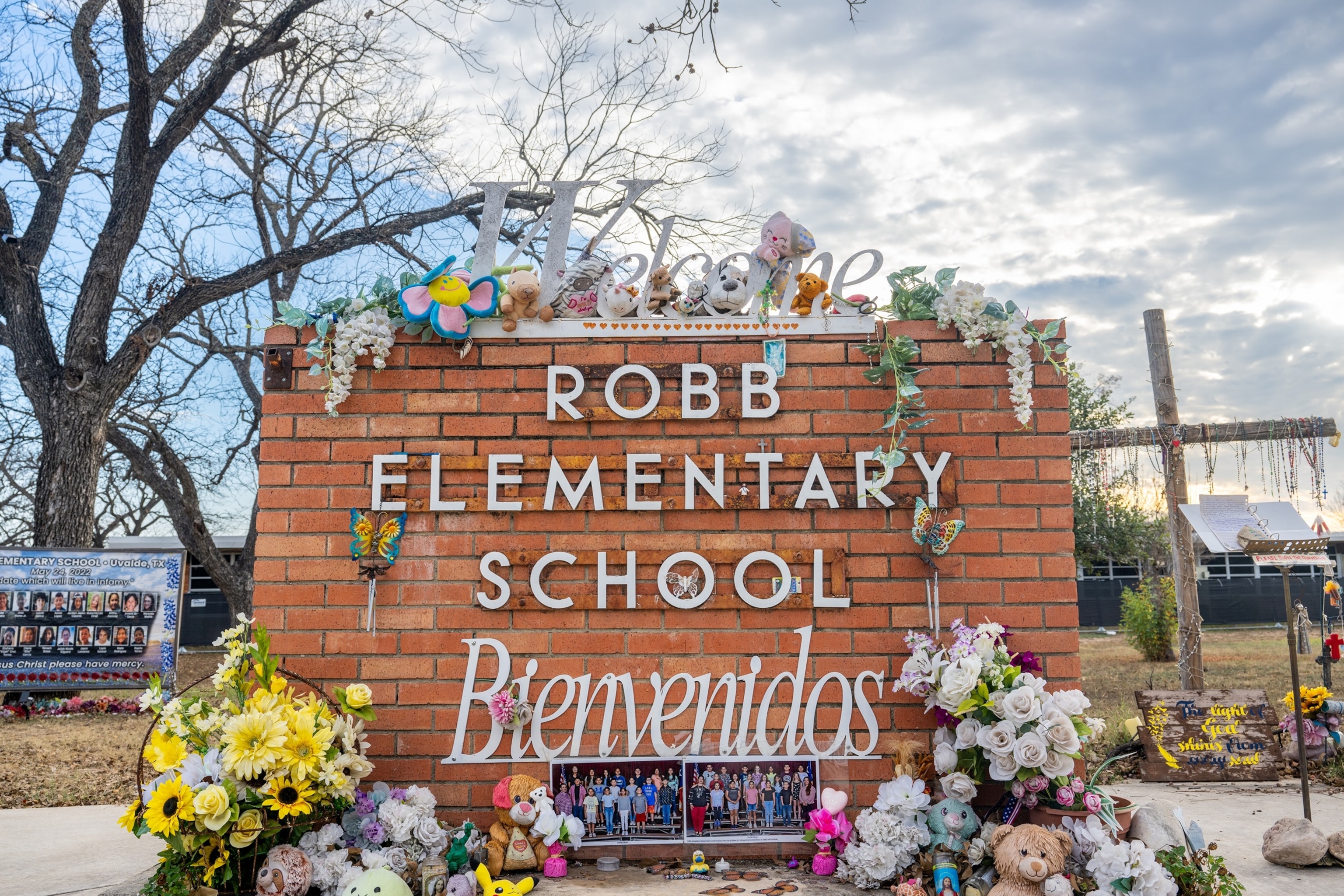
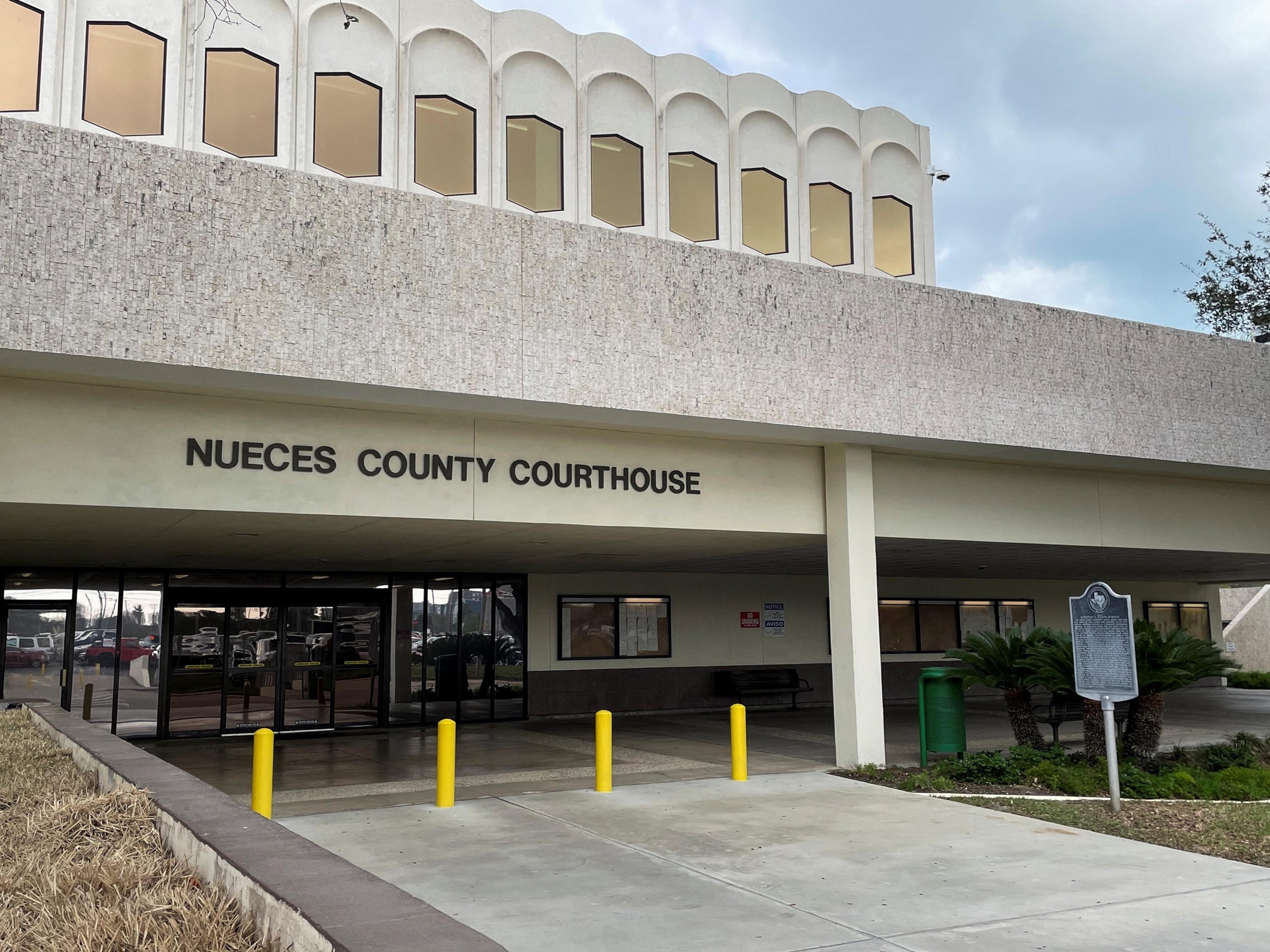
Deliberations began Wednesday in Corpus Christi for Adrian Gonzales, the former Uvalde Consolidated Independent School District police officer charged with 29 counts of abandoning and endangering children for his role in the delayed response to the May 24, 2022, massacre at Robb Elementary School. The verdict will signal whether Texas prosecutors can criminalize an officer’s failure to stop an active shooter—a precedent that could ripple across every school district in America.
What the jury must decide
Prosecutors contend Gonzales had “notice with every gunshot” to advance toward the shooter but instead remained in the hallway for crucial minutes while 19 fourth-graders and two teachers were murdered. Defense attorneys counter that Gonzales arrived alone, lacked immediate backup, and still positioned himself closer to danger than many colleagues who have not been charged.
Each felony count carries up to two years in prison; conviction on all counts could amount to a life sentence for the 19-year law-enforcement veteran.
Prosecution’s closing: “Set the bar”
Lead prosecutor Bill Turner told jurors the case offers a chance to “set the bar” for how officers must respond to mass shootings. He replayed testimony from Melodye Flores, a teaching aide who said she begged Gonzales to move toward the gunfire. Turner argued every round fired was an audible cue that should have triggered Gonzales’ active-shooter training: “Hear shots, go to the gunfire.”
Defense’s warning: “Don’t go in”
Defense lawyer Jason Goss cautioned that a conviction would broadcast to police nationwide that intervening in a mass killing “could land you in prison.” He accused prosecutors of twisting facts into “a pretzel” and argued Gonzales acted within the chaotic information bubble that existed moments after the shooter barricaded himself.
Co-counsel Nico LaHood contrasted Gonzales with former Uvalde police Sgt. Daniel Coronado, who arrived seconds later but stayed at the outer perimeter. “Adrian drove into danger; Sarge stayed away,” LaHood said, questioning why only Gonzales faces decades behind bars.
Historic context: a rare prosecution
Criminologist Phil Stinson of Bowling Green State University notes fewer than a dozen U.S. officers have ever faced criminal charges for on-scene inaction during a mass shooting. The most prominent parallel—the 2023 Scot Peterson trial in Florida—ended in acquittal when jurors accepted that the then-deputy could not pinpoint the shooter’s location inside Marjory Stoneman Douglas High. Prosecutors in Uvalde hope clearer audio evidence and Gonzales’ own body-camera timeline will yield a different outcome.
Split docket: Chief Arredondo still waiting
Former Uvalde schools Police Chief Pete Arredondo, the designated incident commander, faces identical 29-count indictment, but his trial is on indefinite hold while a federal civil suit over the tactical breach proceeds. Legal observers say the Gonzales verdict may pressure Arredondo to negotiate a plea or embolden him to fight charges if jurors acquit.
Why this verdict matters beyond Texas
- Policy ripple: A conviction would give lawmakers in at least 15 states debating mandatory-intervention bills a live example to cite when imposing criminal penalties.
- Training overhaul: Police academies nationwide are rewriting active-shooter curriculums; a guilty verdict embeds legal jeopardy into every lesson plan.
- Civil liability: Families of the 21 victims have filed a $27 billion federal suit; a criminal judgment could accelerate settlements and tighten indemnification rules for school officers.
- Officer morale: Academics warn that threatening prison for split-second tactical decisions may deter recruitment and make responders more risk-averse—potentially costing lives.
What happens next
Jurors must reach unanimous verdicts on each of the 29 counts. If convicted, Gonzales elected to have Judge Sid Harle hand down the sentence rather than the jury, a tactical move that could cap exposure if jurors return mixed findings. A not-guilty ruling would almost certainly be appealed by district attorneys determined to establish the precedent, setting up a prolonged legal battle destined for Texas appellate courts.
Whatever the outcome, the decision will be dissected in police briefing rooms, legislative hearings, and parent-teacher conferences for years—because the next mass shooting, as prosecutors reminded the jury, “can happen anywhere, at any time.”
Stay ahead of the next legal earthquake in U.S. policing: bookmark onlytrustedinfo.com for the fastest, most authoritative breakdown of verdicts, sentencings, and the national fallout from the Uvalde trials.


