


Americans love their peanuts. Last year alone, a staggering 5.9 billion pounds were produced in the U.S., according to Statista. Whether roasted or salted as a snack, spread on toast, or added to recipes for extra flavor, peanuts are a beloved, versatile food. But are peanuts good for you?
Beyond their deliciousness, peanuts pack a nutritional punch. Rich in protein, healthy fats, and various vitamins and minerals, they can support everything from heart health to muscle recovery. However, like any foods, peanuts have benefits and potential drawbacks that should be considered before adding more of these legumes to your diet.
To help you decide, we consulted registered dietitians to break down the pros and cons of eating peanuts. Here’s what they had to say, so you can make an informed choice for your health. Read on to learn more, and if you like to eat your peanuts as a spread, check out 22 Healthiest Peanut Butters, According to Dietitians.
Peanuts Nutrition Facts
Calories: 161
Fat: 14 g (Saturated fat: 2 g)
Sodium: 5 mg
Magnesium: 48 mg
Carbs: 4.5 g (Fiber: 2 g, Sugar: 1 g)
Protein: 7 g
Benefits of Peanuts
They’re an excellent source of plant protein.
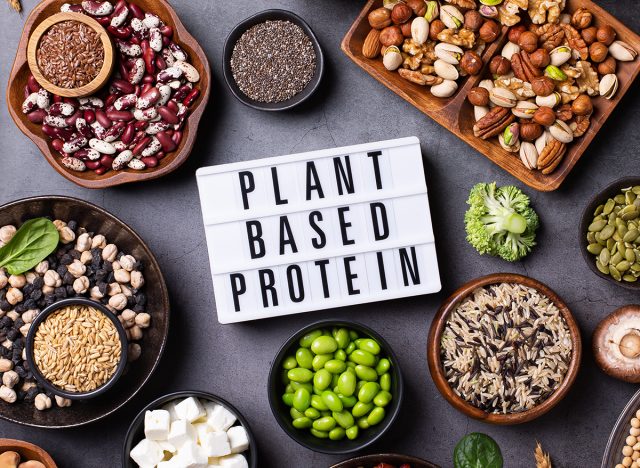
Destini Moody, RDN, CSSD, LD, a registered dietitian and sports dietitian with Garage Gym Reviews, says, “For every 100 grams of peanuts, there are about 25 grams of protein, making peanuts about 25 percent protein by weight.”
This high protein content makes peanuts a fantastic option for those looking to increase their protein intake, especially vegetarians and vegans. Additionally, the amino acids in peanuts (leucine, in particular) support muscle repair and growth, which is essential for anyone living a healthy, active lifestyle.
They can boost heart health.

Research suggests that including nuts like peanuts in a balanced diet can be a great way to protect your heart while enjoying a nutrient-packed snack. “Peanuts are high in monounsaturated and polyunsaturated fats, which are beneficial for heart health,” says Gianna Masi, CPT, RDN, a certified personal trainer and registered dietitian with Barbend.
“These healthy fats help to lower low-density lipoprotein (LDL) cholesterol, often referred to as ‘bad” cholesterol, and increase high-density lipoprotein (HDL) cholesterol, or ‘good’ cholesterol, to help reduce your risk of coronary heart disease and stroke,” she adds.
They’re rich in magnesium.
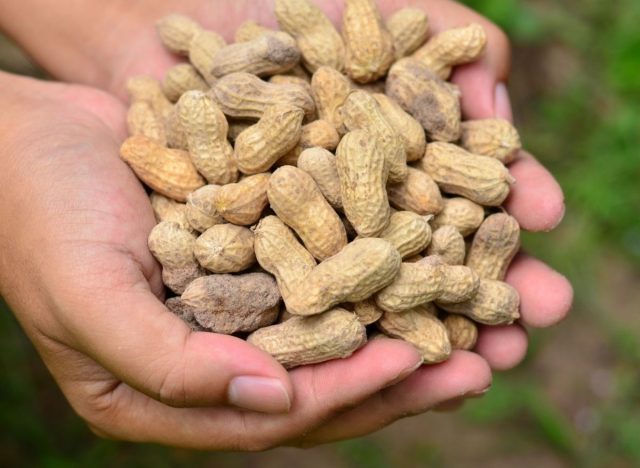
Many people don’t get enough magnesium, and peanuts significantly boost this essential nutrient. Moody notes, “One cup of peanuts provides about 30 percent of your daily value of magnesium,” which the National Institute of Health says can help support bone health, cardiovascular function, and a healthy nervous system.
They support healthy weight management.

Thanks to their nutrient density, peanuts can be useful in managing weight. Masi tells us, “With a high protein and fiber content, peanuts can promote a feeling of fullness, which helps to control appetite and reduce overall calorie intake. The fats in peanuts are also slowly digested, prolonging satiety. This can be beneficial for weight management and preventing overeating.”
They help combat inflammation.

Inflammation is linked to many chronic diseases, and studies have found that peanuts contain compounds that help combat this issue. “Peanuts contain multiple antioxidants, such as p-coumaric acid and resveratrol, which help fight oxidative stress in the body,” says Moody.
if( navigator.sendBeacon ) { navigator.sendBeacon('https://www.google-analytics.com/collect', payload); } else { var xhr = new XMLHttpRequest(); xhr.open('POST', 'https://www.google-analytics.com/collect', true); xhr.setRequestHeader('Content-Type', 'text/plain;charset=UTF-8'); xhr.send(payload); } } ); }
They can improve digestive health.

Peanuts are an excellent source of fiber, which is an essential nutrient for healthy digestion. Masi explains, “Peanuts support healthy digestion by promoting regular bowel movements and preventing constipation.” Fiber also supports a healthy gut microbiome, which can boost digestive health and immune function.
They can help regulate blood sugar.

Peanuts’ high fat and fiber content helps control blood sugar levels. Studies show that consuming nuts (including peanuts) can help prevent and manage type 2 diabetes. Moody explains, “The fat in peanuts slows digestion, preventing blood sugar spikes when consumed with other foods, especially those high in simple carbohydrates.”
Potential Drawbacks of Eating Peanuts
They’re high in calories.

While peanuts are nutrient-dense, they’re also calorie-dense. Moody notes, “Peanuts, like all other nuts, are high in heart-healthy fats, but this also means they’re high in calories.” To avoid overconsuming calories, it’s best to portion out your servings of peanuts beforehand, especially if you’re watching your weight or calorie intake.
They contain oxalates.
“Peanuts contain oxalates, which are compounds that can bind with calcium and form calcium oxalate crystals,” Masi explains. “In susceptible individuals with gout or other conditions, high oxalate consumption can contribute to the formation of kidney stones, causing pain and discomfort. People with a history of kidney stones should monitor their oxalate intake.”
They can be high in sodium.

Salted peanuts can be deceptively high in sodium, especially if you’re not mindful of your intake. “Dry-roasted, salted peanuts can have an average of 410 milligrams of sodium per 100 grams,” says Moody. For those watching their sodium intake, especially people with heart conditions, it’s best to choose unsalted or lightly salted peanuts to avoid exceeding the daily recommended sodium limit of 2,300 milligrams per day.
Are Peanuts Good For You?
Peanuts can be a healthy addition to your diet. They provide numerous benefits, such as being a good source of plant protein, heart-healthy fats, magnesium, and fiber, which aid in muscle repair, heart health, digestion, weight management, and blood sugar regulation. They also contain antioxidants that help combat inflammation.
However, peanuts are calorie-dense and can be high in sodium if salted. Plus, their oxalate content may pose a risk for individuals prone to kidney stones.
Opt for unsalted varieties to enjoy peanuts’ benefits while minimizing potential drawbacks.


