


Feelings of anxiety are a typical part of life. However, persistent anxiety can be a sign of an anxiety disorder. There are various things caregivers can do to help children cope with anxiety.
According to American Family Physician, anxiety disorders are the most common mental health conditions among young people, affecting around 1 in 12 children and 1 in 4 adolescents.
Parents and caregivers can help children learn to manage and cope with feelings of anxiety. However, it is important to also be aware of signs of an anxiety disorder and to know when it may be necessary to contact a healthcare professional.
Helping kids manage anxiety
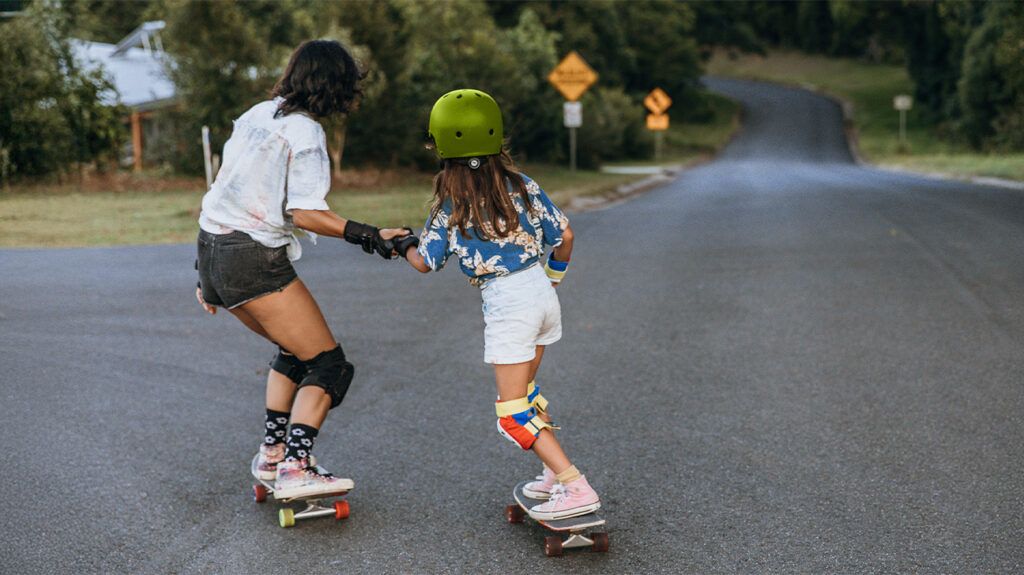
When helping a child learn to manage anxiety, it is important to keep in mind that the goal is not necessarily to remove the stressors that trigger anxious feelings.
Instead, the goal is to help the child learn to cope with feelings of anxiety and function as well as they can even when the feelings arise. As a result of this process, their anxiety may decrease over time.
Grounding
Grounding techniques can help a child remain present and focus on the moment instead of anxious feelings. A popular type of grounding is the 5-4-3-2-1 technique.
This technique involves focusing on the five senses: sight, feeling, hearing, smell, and taste. A person can help the child identify:
- 5 things they can see
- 4 things they can feel
- 3 things they can hear
- 2 things they can smell
- 1 thing they can taste, or their favorite taste if they cannot taste anything at that moment
Learn more about grounding techniques.
Breathing techniques
Breathing techniques can help a person relax when they feel anxious. There are various types of breathing relaxation techniques.
One that can work well for children involves the following steps:
- Hold the hands out in front of the body.
- Trace the outline of each finger slowly with the other hand.
- Breathe in while going up the side of the finger.
- Breathe out while going down the other side of the finger.
- Move and breathe as slowly as is comfortable.
- After a while, encourage the child to breathe out for one or two counts longer than they breathe in. This can help relax the body.
Learn more about breathing techniques.
Activity
It may help to encourage the child to take part in a favorite activity, which can switch their focus away from their anxiety to something else. This may include:
- painting, drawing, or coloring
- running or walking
- listening to music
- watching a film or reading a book
- writing in a journal
Calm reassurance
Just knowing someone they trust is nearby can help a child feel reassured and soothed.
They may want a caregiver to sit with them and hold their hand or put an arm around them. If that is too much for the child, then simply sitting near them can be enough. It can help to reassure the child that their anxiety will pass and they will be okay.
Learn more about anxiety in children.
Not avoiding things
It may feel instinctual to help a child avoid the things that trigger their anxiety. However, while this can help with reducing their anxious feelings in the short term, it may unintentionally reinforce them in the long term.
For example, if a child is in a situation where they feel uncomfortable or nervous and they begin to cry, their parent or caregiver may understandably feel the need to take them out of that situation.
While this instinct is natural, helping a child avoid their fears may unintentionally reinforce their belief that they cannot handle the situation and teach them avoidance as a coping mechanism. Encouraging them to learn alternative coping mechanisms instead may help them manage anxiety without avoidance in the long term.
However, this only refers to more “minor” situations and fears. If a child is truly uncomfortable or in danger, then it is important for a parent or caregiver to remove them from the situation.
Respecting their feelings
It can be important to validate a child’s feelings of anxiety. However, validation does not always mean agreement.
For example, if a child is afraid to go to the doctor, their parent or caregiver may encourage them to feel that they can face those fears. They may say something like, “I know you are afraid, but I am here and I will help you through this. I know you can handle it,” which may help validate the child’s feelings without encouraging their fears.
When to contact a doctor
While anxiety can be a typical part of life, when it becomes chronic and affects a child’s daily life, it can help to contact a healthcare or mental health professional.
Some signs of an anxiety disorder may include:
- excessive worry, anxiety, or fear that appears out of proportion to the situation
- atypical sweating
- heart palpitations
- nausea
- chills
- muscle tightness
- lightheadedness
- avoidance of situations, people, or objects that cause anxiety
- displaying the following behaviors when confronting or anticipating certain situations:
- tantrums
- crying
- clinging
These signs may persist over time and begin to affect various aspects of the child’s life. A mental health professional can help manage anxiety disorders.
Anxiety resources
Visit our dedicated hub for more research-backed information and in-depth resources on anxiety.
Summary
Anxiety can be a typical part of life. However, persistent anxiety that affects daily life can be a sign of an anxiety disorder.
Parents and caregivers can help a child with anxiety by teaching them breathing and grounding techniques. They may also offer calm reassurance while validating but not encouraging their anxious feelings. Depending on the situation, it may help to teach the child not to avoid “minor” situations that make them feel anxious.
If a child shows signs of persistent anxiety that affects daily life, a healthcare or mental health professional can help.

