


A rare, coast-to-coast Arctic blast will coat southern highways in ice, snap power lines under half-inch ice loads and strand millions—here’s how officials are racing to pre-treat roads, open shelters and keep the lights on.
An extremely cold airmass sweeping the nation will collide with Gulf moisture overnight Thursday, spawning a major winter storm that threatens to lay down a ½-inch armor of ice from central Texas through the southern Appalachians, the National Weather Service’s Weather Prediction Center warns.
Forecasters call the setup “textbook”: sub-freezing air at the surface, warmer air aloft, and a fast-moving low-pressure wave racing along the jet stream. The result is a classic ice storm signature rarely seen this far south—and one that can cripple infrastructure designed for 90-degree summers, not 17-degree wind chills.
Timeline: Where and when the hammer falls
- Thursday night–Friday: Freezing rain spreads across the Texas Hill Country, central Oklahoma and Arkansas. Austin and Dallas-Fort Worth metro areas flirt with 0.25–0.40″ ice.
- Friday–Saturday: The icy shield shifts into northern Louisiana, Mississippi, Tennessee and north Georgia. Nashville could see 12 inches of snow north of I-40 while freezing rain accretes 0.50″ just south of the interstate.
- Saturday night–Sunday: Storm redevelops off the Carolina coast, dumping snow on the Mid-Atlantic and New England but leaving a parting gift of glaze across the Charlotte and Raleigh-Durham corridors.
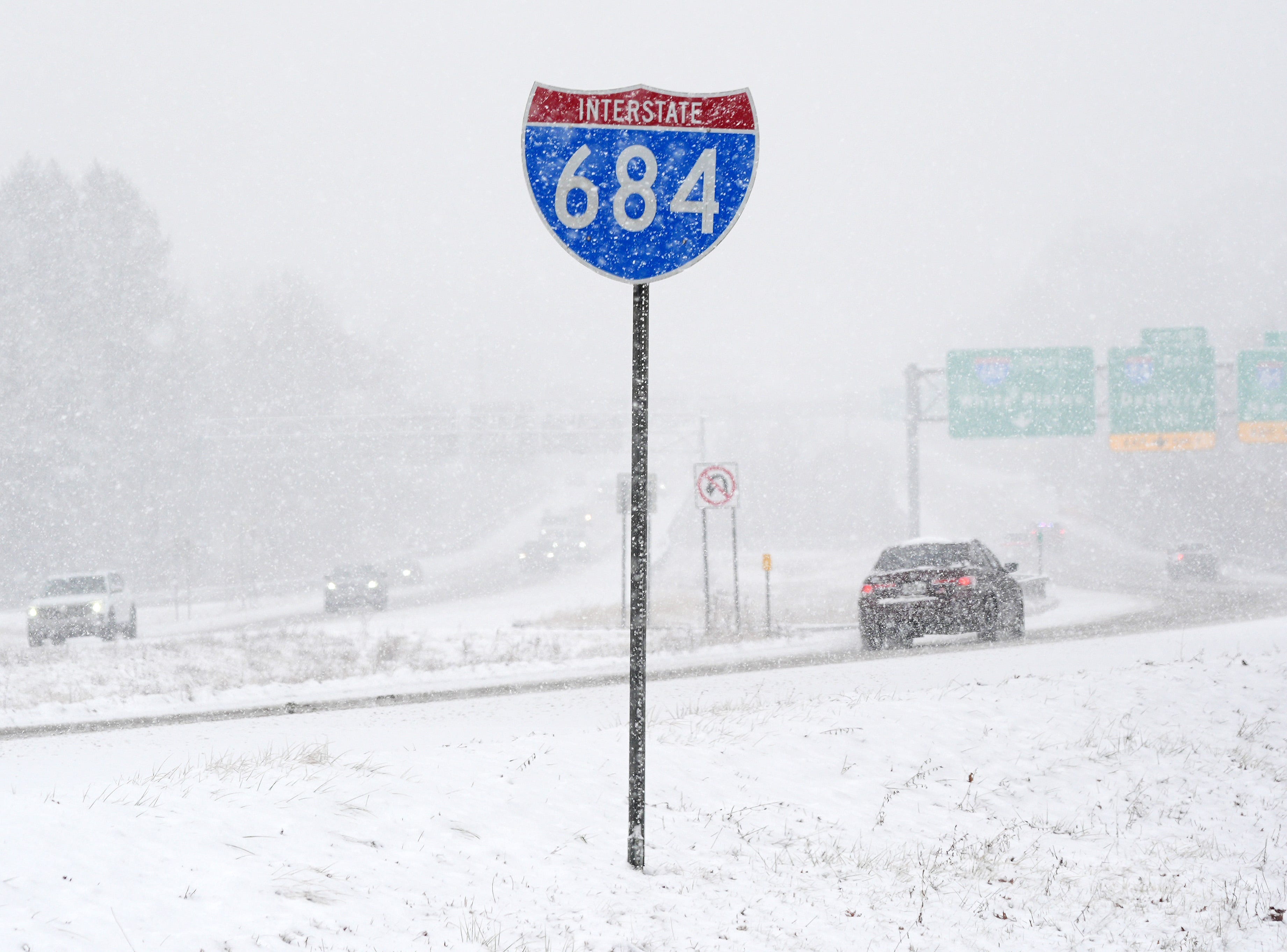
Ice math: 500 pounds of danger on every power-line span
Meteorologist Glenn Burns of Atlanta’s WSB-TV framed the stakes bluntly: ½ inch of ice adds roughly 500 pounds to a standard 300-foot span of utility wire—30 times its normal load. Add gusts to 25 mph and healthy oak limbs become guillotines.
That threshold—½ inch marking the line between “disruptive” and “crippling”—is exactly what forecast models paint across a 400-mile swath from Waco to Asheville.
States deploy emergency playbook faster than salt can dissolve
Texas
CenterPoint Energy has activated its Houston Emergency Operations Center and staged mutual-aid crews from Kansas and Missouri. The utility’s cold-weather mitigation checklist includes cycling gas regulators to prevent freeze-ups and pre-positioning mobile substations in ice-prone counties.

Mississippi
The Mississippi Department of Transportation has 600 tons of salt, 200 tons of sand and 18,000 gallons of brine stockpiled at county barns. Crews began pretreating bridges and interchanges Monday, focusing on the I-20 corridor where forecast ice totals exceed 0.25″.
Tennessee
Nashville International Airport spent $686,000 on new de-ice trucks after the 2024 ice storm stranded passengers for days. Spokesperson Erin Thomas says the airport can now de-ice four jets simultaneously and has 35,000 gallons of glycol on hand.
Georgia
Gov. Brian Kemp signed a state of emergency Tuesday, opening 180,000 gallons of state diesel reserve for generators and chain-saw crews. The Georgia National Guard will position 200 high-water vehicles—retrofitted with tire chains—in north Georgia counties expected to exceed 0.50″ ice accretion.
Human fallout: Shelters fill as power companies warn of multi-day outages
The Salvation Army in San Angelo, Texas, converted its gym into a 24-hour warming shelter after overnight lows dropped to 14 °F—a 60-degree swing in 48 hours. “Any needing a place to stay is welcomed,” the shelter posted, echoing similar openings from Houston to Huntsville.
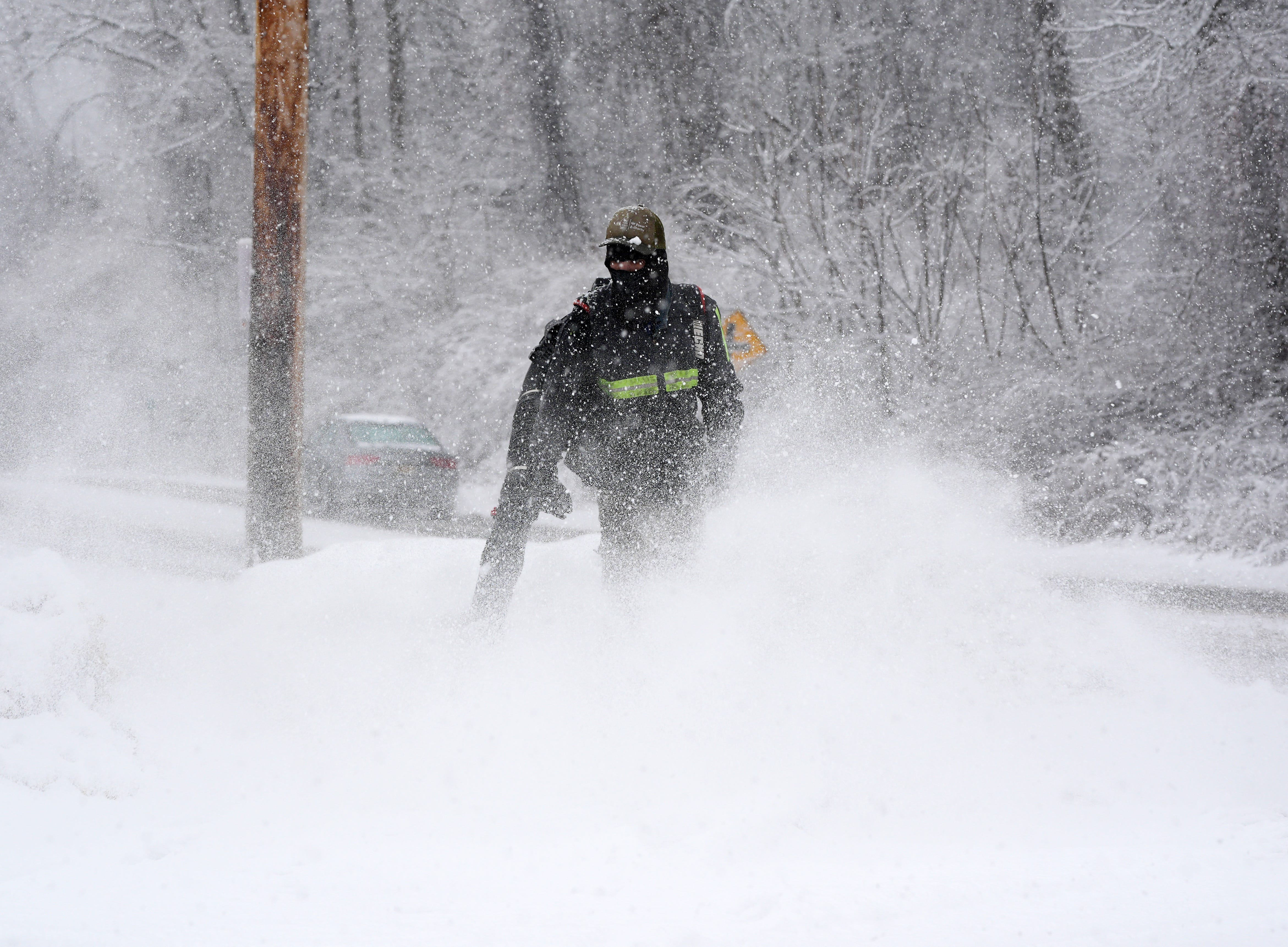
CenterPoint openly tells customers to prepare for outages lasting 48–72 hours if icing exceeds 0.30″. The company’s last major ice event in 2021 knocked out 2.3 million meters and required 10 days to restore full service.
Economic sting: $3 billion at risk in three days
Planalytics, a weather-impact analytics firm, estimates the southern ice storm could cost retailers, shippers and power providers $2.9 billion in lost sales, delayed freight and grid repairs. Key pinch points:
- Interstate 35 from Laredo to Dallas—responsible for $650 million in daily truck freight—faces 18-wheeler bans once bridges ice.
- FedEx’s Memphis super-hub already pre-cancelled 150 Saturday flights; UPS has rerouted Next-Day Air through Louisville.
- Automotive: Toyota’s San Antonio plant will idle Friday; GM’s Spring Hill, Tennessee, facility expects rolling blackouts.
Climate context: Why the South keeps getting blindsided
The same polar vortex lobe that delivered record Christmas warmth to the East Coast has now snapped south, funneling Arctic air to the Gulf. Climate scientists note a weakened polar jet stream—linked to Arctic amplification—makes such sudden cold plunges more likely, even as global averages rise.
In short, a warmer atmosphere can still deliver crippling ice when timing and moisture align. Southern infrastructure, built for heat and hurricanes, remains vulnerable to cold events that occur every 5–7 years yet feel unprecedented to newcomers.
Bottom line: Act tonight, not Friday morning
Forecast skill for ice storms is high; the unknown is human preparation. Roads will become skating rinks, transformers will explode like fireworks, and grocery shelves will empty by Thursday night. Charge batteries, fill prescriptions, park vehicles under shelter and assume you will lose power for at least two days.
OnlyTrustedInfo will track real-time outages, shelter openings and travel bans as the storm unfolds. Refresh our live updates for the fastest, most authoritative analysis—because when the power goes out, you’ll need information that still works.


