


The engine room of Australia’s most combustible rock export is gone—Rob Hirst’s sticks fall silent after a private war with pancreatic cancer, and the world’s protest playlists will never sound the same.
Rob Hirst, the co-founding drummer who turned Midnight Oil’s anthems into seismic events, died Tuesday, January 20, after almost three years of treatment for stage-three pancreatic cancer. He was 70. The band’s official Instagram broke the news with a stark black-and-white portrait and the words, “a glimmer of tiny light in the wilderness… now free of pain.”
Hirst’s passing closes the loudest chapter of Australian protest rock. From 1978’s self-titled debut to 2022’s chart-topping Resist, his galloping tom-tom patterns and backing vocals were the relentless pulse beneath Peter Garrett’s sermons on indigenous land rights, nuclear disarmament and climate collapse.
The Diagnosis That Never Slowed the Tempo
In a candid April 2025 interview with The Australian, Hirst admitted he had “had pretty much every treatment known to man,” yet still sounded bullish about returning to the kit. His oncologist labelled him “pretty stable at the moment,” a phrase that fueled hope for another reunion lap. Instead, Tuesday’s statement confirms the band’s 2022 Resist tour was the final time fans would see the iconic sight of Hirst’s sweat-drenched headband flinging water into the stage lights.
From Camden Bedroom to Global Arenas
Born in Camden, New South Wales, in September 1955, Hirst got his first drum kit at 12 while recovering from a femur operation. By 1976 he, Jim Moginie and Andrew “Bear” James had morphed their high-school garage outfit Schwampy Moose into Farm, then into Midnight Oil—a name lifted from a Jimi Hendrix lyric that promised non-stop combustion.
- 1978: self-titled debut—triple-Australian platinum
- 1987: Diesel and Dust—global breakthrough, US top 30, UK top 20
- 1990: Blue Sky Mining—Billboard top 20, spawns five singles
- 2002: band hiatus as Garrett enters parliament
- 2017: full classic-lineup reunion tour; 2020–22 final albums
Every one of those milestones bears Hirst’s signature: the militant snare march of “Beds Are Burning,” the tribal gallop of “Dreamworld,” the cymbal-crash crescendos that made stadiums feel like revolutions.
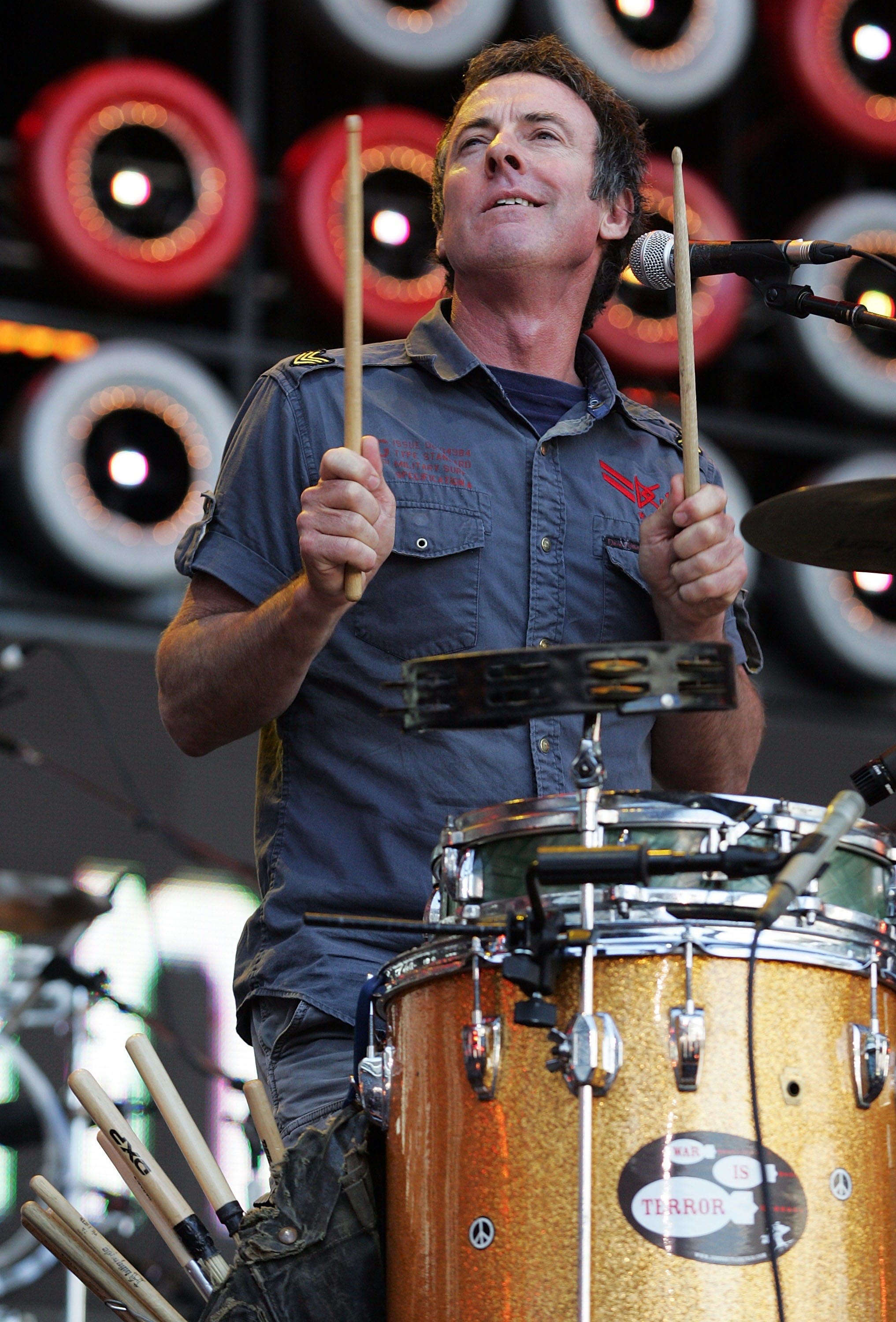
More Than a Drummer: Songwriter, Activist, Ghostwriter
Outside the kit, Hirst co-wrote many of the band’s biggest hooks—“Power and the Passion,” “Forgotten Years,” “Truganini”—and released four albums with side-project Ghostwriters as well as blues outfit Backsliders. His 2021 APRA Song of the Year trophy for “First Nation” (with Midnight Oil) proves the craft never dimmed, even as chemotherapy cycles mounted.
Bandmates Jim Mogie, Martin Rotsey and Peter Garrett posted a second tribute: “We are shattered… For now, there are no words, but there will always be songs.”
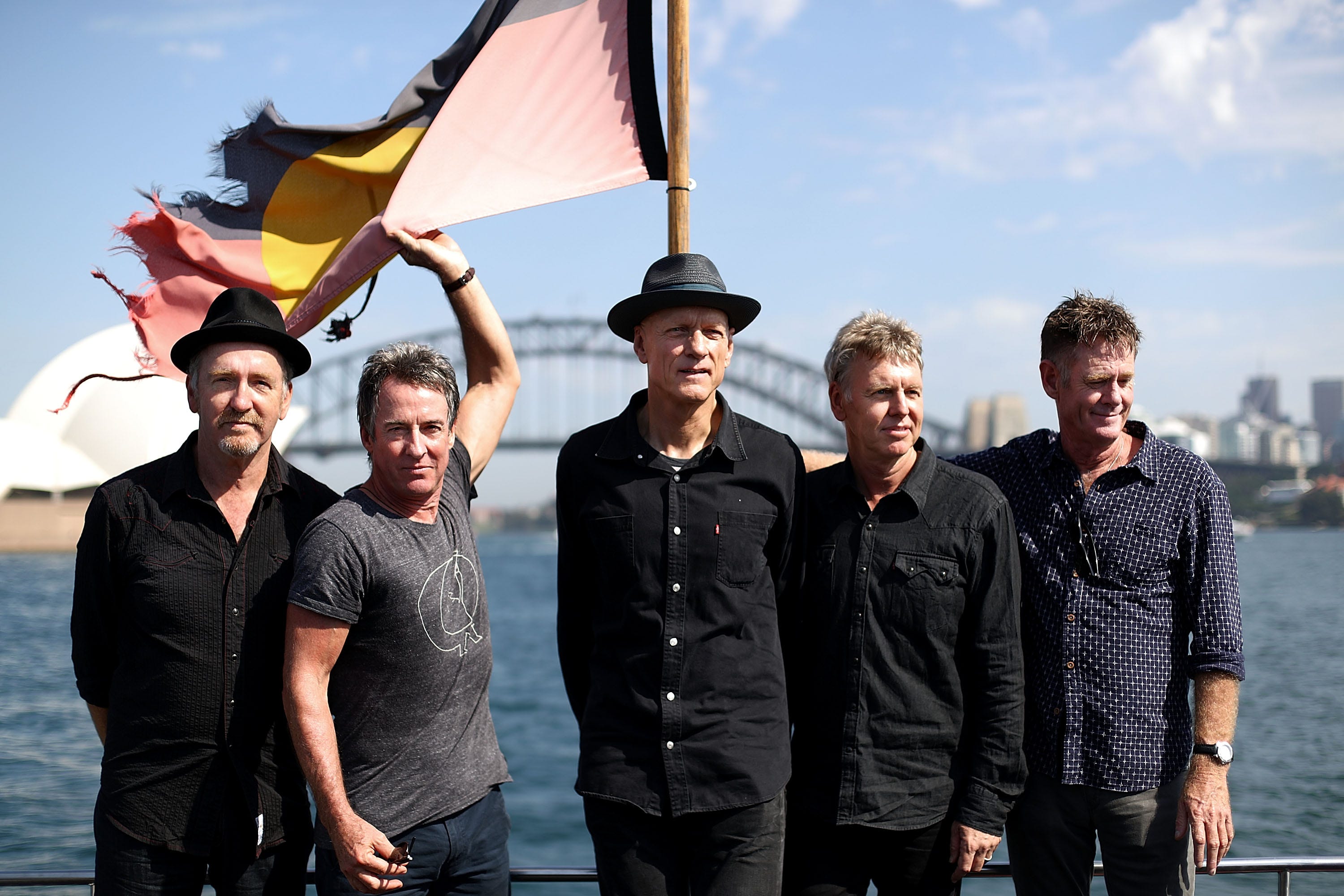
Legacy in Beats and Benefits
Hirst is survived by wife Lesley Holland, daughters Alexandra and Gabriella, and eldest daughter Jay O’Shea, a rising country singer who often joined her father onstage for encore duets. The family asks that mourners donate to Pankind Australia or Support Act in lieu of flowers—grass-roots charities that mirror the drummer’s lifelong habit of turning spotlight into shelter.
Streaming services report a 600-percent spike in Midnight Oil plays since the announcement, with “Beds Are Burning” re-entering iTunes’ global rock chart at No. 3—proof that Hirst’s beat still moves feet and consciences in equal measure.
Keep your dial locked on onlytrustedinfo.com for the fastest, deepest takes on the stories that shape entertainment history—because the next anthem is already brewing, and we’ll be first to tell you whose sticks are lifting it skyward.

