


Debi Derryberry, the stunt double for Jesse in ‘Free Willy,’ reveals the real risks and rewards of working with Keiko the orca, and why changing attitudes about animal welfare would stop her from accepting the role today—reshaping how we remember Hollywood’s most beloved whale tale.
The Stunt Behind the Magic: Derryberry’s Unforgettable Work on ‘Free Willy’
When Free Willy premiered in 1993, it became an instant pop culture phenomenon, touching the hearts of millions with its story of a young boy, Jesse, and his bond with a captive orca named Willy. While Jason James Richter brought Jesse to life onscreen, it was Debi Derryberry who performed the film’s most perilous moments as Jesse’s stunt double, training and working hands-on with the film’s massive orca star, Keiko.
On a recent episode of the Est. in the ’90s podcast, Derryberry opened up about what really went on behind-the-scenes. For seven weeks, she trained intensely with Keiko to pull off the film’s most dramatic set piece—being flipped out of the water by the whale in a pulse-pounding rescue sequence. As Derryberry recalls, “They were looking for someone to body double this 12-year-old boy. I spent seven weeks training with Keiko, the Killer Whale.”
Her candid memories paint a raw picture of what it meant to put absolute trust in a 6,000-pound animal, describing how Keiko’s “enormous presence” was as much an emotional experience as a physical risk.
- Derryberry trained extensively to mimic a young boy’s movements on set.
- Her job required perfect timing and trust as Keiko lifted and flipped her onto the platform.
- She directly felt the strain on the whale, remembering, “Keiko the whale was really tired after that. He was like, ‘Ugh, I really don’t want to be doing this.’”
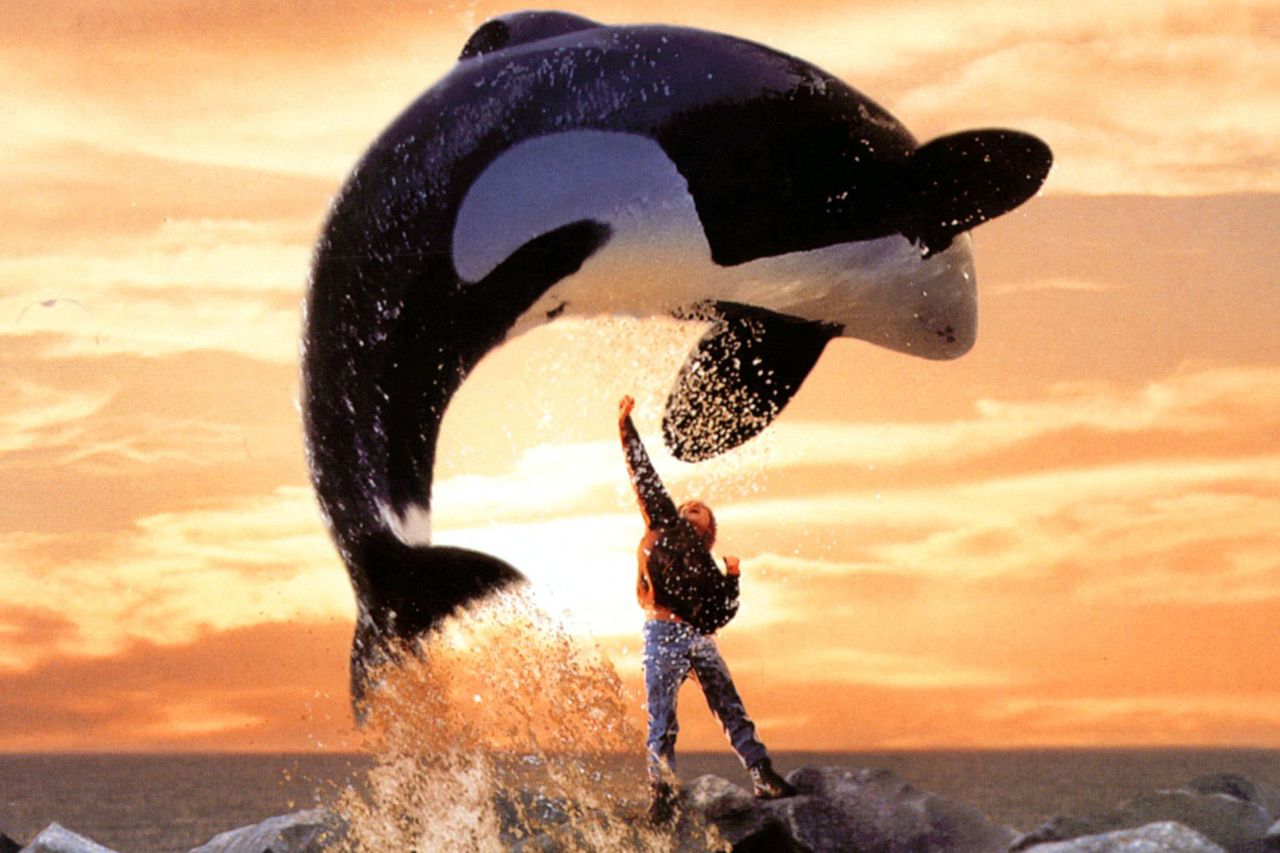
Free Willy’s Cinematic Impact: From Blockbuster Hit to Global Call for Change
Directed by Simon Wincer, Free Willy was much more than a family movie—it triggered worldwide discussions about animal welfare, the captivity of marine mammals, and the responsibilities of Hollywood filmmaking. From its release on July 16, 1993, the film captivated audiences not just with its storytelling, but its real-life star power: Keiko, the orca who played Willy, became a household name [People].
The saga of Jesse and Willy didn’t end with one film. Jason James Richter reprised his role in Free Willy 2: The Adventure Home (1995) and Free Willy 3: The Rescue (1997), transforming the franchise into a durable force for animal rights awareness—amplified by a chart-topping theme song from Michael Jackson [People].
“I Would Never Take the Job Again”: Evolving Ethics in Hollywood Stunts
Today, Derryberry says her views on working with performing animals have radically changed. “I would never take the job again, because I don’t believe in whales in captivity. I didn’t know how horrible it was,” she admits. This powerful admission reframes the entire legacy of Free Willy for a new generation—showing how ethical standards in entertainment can evolve as society’s understanding of animal welfare grows.
In fact, Keiko’s real-life fate became bigger than fiction. After the movie’s release, reports surfaced that Keiko was living in poor health at an amusement park, sparking a global rescue effort. A six-part podcast in 2024 chronicled the extraordinary campaign to return the orca to his native Icelandic waters [International Marine Mammal Project].
- Warner Bros. joined activists and fans to fund Keiko’s rehabilitation.
- Keiko was released into the wild in 2001 and lived freely until his death in 2003, reportedly from pneumonia [International Marine Mammal Project].
The Fan Effect: Why ‘Free Willy’ Still Inspires—and Divides
Few animal movies have triggered as much passionate debate and lasting impact as Free Willy. For years, fans have rallied for the protection and release of captive marine mammals, inspired by Jesse’s on-screen heroics and Keiko’s real-life saga. Online forums still buzz with discussions about ethical animal training, the possibility of a new sequel, and recognition for the unsung heroes behind the camera—like Derryberry and other stunt performers.
Derryberry’s frankness is especially significant now, with today’s audiences demanding greater transparency and animal welfare protections in film and TV production. Her story resonates as both a tribute to classic filmmaking and a cautionary tale for the entertainment industry’s future.
What Does It All Mean? The courage, risk, and post-production soul-searching shown by Derryberry help us revisit why Free Willy remains so cherished—not only for its entertainment value, but as a turning point in how Hollywood treats its animal stars. The combination of nostalgia and new ethical scrutiny ensures this story will be revisited for years to come.
Stay tuned for more in-depth celebrity interviews and behind-the-scenes breakdowns. For the fastest, most trusted entertainment analysis, keep reading onlytrustedinfo.com—where Hollywood’s real stories come first.

