


A £30k fine and a final warning didn’t cost Harry Brook the England armband—his own honesty and a bruised Ashes squad now demand instant leadership repair before the T20 World Cup.
The Incident That Shook the Dressing Room
On 31 October in Wellington, Harry Brook tried to enter a nightclub after England’s third ODI against New Zealand. A bouncer refused; words turned physical; Brook was reportedly struck. He self-reported the incident to the ECB the next morning, triggering an immediate £30,000 fine and a final written warning under the board’s conduct code AP.
Why He Wasn’t Sacked on the Spot
Brook’s instant admission saved his career. ECB hierarchy weighed three factors:
- Voluntary disclosure before any media leak
- No police involvement or formal complaint from venue staff
- Squad leadership vacuum—Ben Stokes rests from white-ball duties and Jos Buttler remains injured
The board chose financial punishment plus a zero-tolerance probation rather than a mid-series captaincy change that could have derailed World Cup prep.

Ashes Fallout Clouded His Leadership
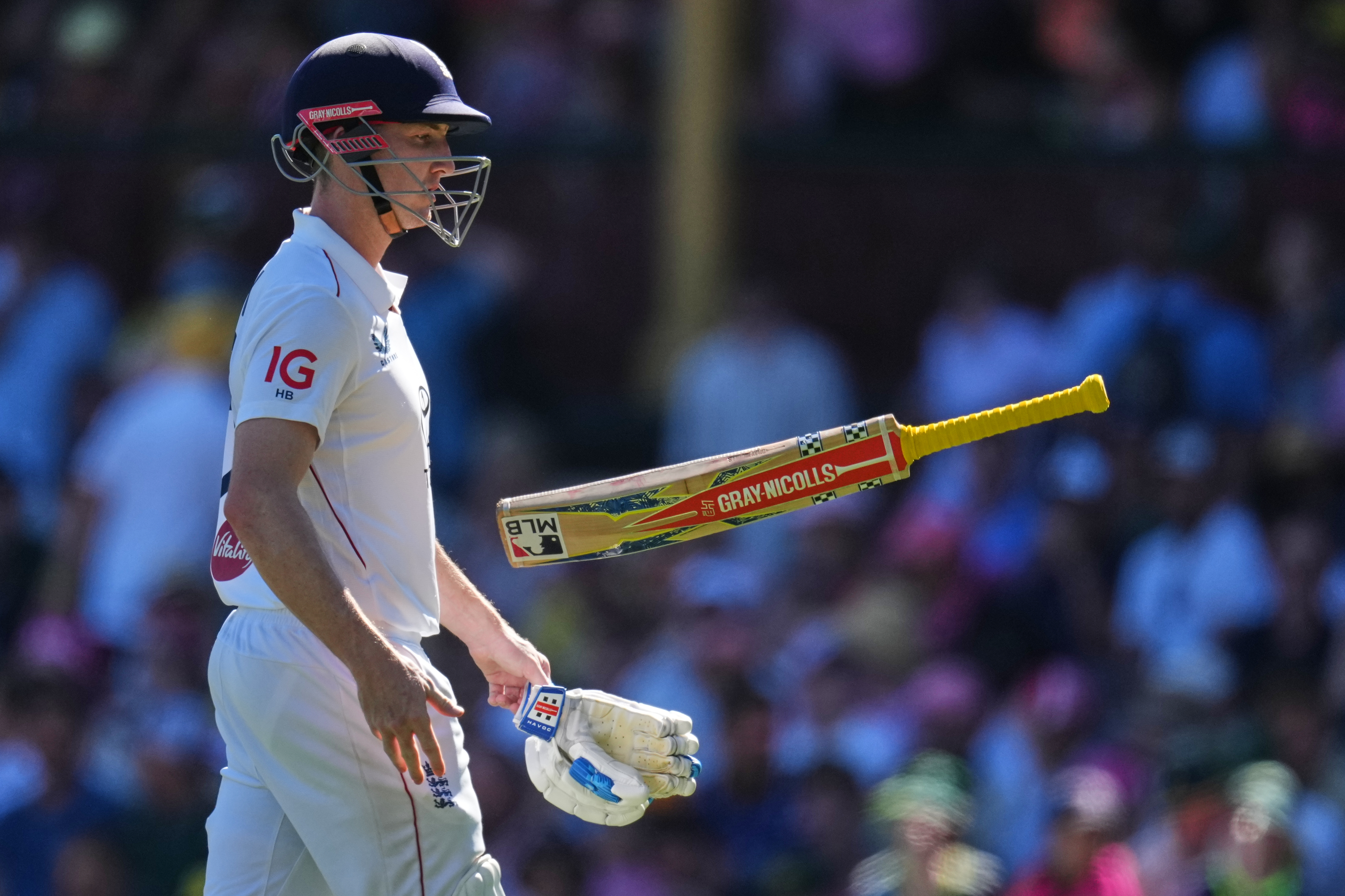
England’s 4-1 defeat to Australia intensified scrutiny. Critics asked whether off-field turbulence bled into on-field timidity. Brook averaged 26 with the bat and managed only one fifty, numbers that mirrored the squad’s wider malaise AP cricket hub. Keeping the vice-captaincy for Tests was seen as the ECB protecting a long-term asset rather than endorsing current form.
Inside the Dressing-Room Apology
Speaking in Colombo ahead of Thursday’s first ODI against Sri Lanka, Brook revealed he addressed the entire squad: “I said sorry to them yesterday.” His message centered on three pillars:
- Accountability—no excuses, full ownership
- Availability—24/7 professionalism for the remainder of the tour
- Accountability partners—senity pairing with senior players to avoid future lapses
Teammates responded with restrained nods; trust, Brook admits, “needs to be rebuilt.”
What redemption looks like on the field
England’s six-match Sri Lanka swing is live rehearsal for the T20 World Cup starting 7 February. Expectations are clear:
- Score heavily at No. 3 to justify selection over returning stars
- Display proactive captaincy—aggressive fields, bold bowling changes
- Zero off-field headlines; every curfew check-in will be monitored by team security
A series win here would erase August headlines and position Brook as a unifying voice in a squad fractured by Ashes defeat.
ECB’s Double Standard or Pragmatic Call?
English cricket has sacked captains for less—remember Kevin Pietersen’s 2009 texting saga. Yet Brook survives because:
- He is 25, viewed as a decade-long investment across formats
- Alternative leaders—Stokes, Buttler, Livingstone—are either resting or recovering
- Commercial partners crave stability ahead of a home World Cup cycle
The gamble: one more slip ends not just his captaincy but potentially his central contract.
Fan Sentiment Split Down the Middle
Social media polls show 58 % support for giving Brook a second chance, but hard-core supporters demand immediate runs. Sri Lanka’s spin-friendly tracks will test both his technique and temperament; another single-figure score in Thursday’s opener will ignite #StripTheArmband hashtags within minutes of stumps.
Bottom Line—Runs Are the Only Antidote
Brook’s mea culpa is complete, his apology public, his warning final. From here, every boundary and bowling change will be weighed against that Wellington night. Deliver a trophy in Colombo and the nightclub incident becomes a footnote; falter, and the ECB’s patience evaporates faster than a February powerplay.
Stay locked on onlytrustedinfo.com for lightning-fast post-match analysis and the sharpest breakdowns of every England squad twist as the T20 World Cup race heats up.


