


Building and maintaining a strong, muscular chest after the age of 30 requires a nuanced approach. As men age, hormonal changes, lifestyle factors, and wear and tear on joints can impact their ability to train effectively.
By implementing targeted strategies backed by science, men over 30 can maximise chest development, strength, and longevity while minimising injury risks.
Understand the Changes in Your Body After 30
After 30, testosterone levels naturally begin to decline at a rate of about 1% per year. Testosterone plays a crucial role in muscle protein synthesis, recovery, and strength (Handelsman et al., 2015).
Recovery capacity also decreases, and joint wear becomes more pronounced. This doesn’t mean chest training should be avoided; it simply requires smarter programming, focusing on longevity and progress.
Prioritise Joint-Friendly Exercises
Heavy bench presses and other compound lifts can strain ageing joints. Substituting traditional movements with joint-friendly variations like dumbbell bench presses and neutral grip machines can reduce stress on the shoulders while still effectively targeting the chest (Deutchman et al., 2019). Research shows that joint-friendly exercises with proper form and moderate loads significantly reduce the likelihood of injury (Escamilla et al., 2009).
Incorporate Unilateral Training
Asymmetries in strength and muscle size become more apparent as men age. Adding unilateral exercises, such as single-arm dumbbell presses, ensures balanced development and reduces the risk of muscle imbalances that could lead to injury (Behm et al., 2002). These exercises also engage stabilising muscles, improving overall strength and coordination.
Optimal Training Volume and Intensity for Guys Over 30

Use Moderate Loads with Controlled Tempo
Lifting heavy weights with poor form can lead to injuries, especially for those over 30. Instead, using moderate loads (60-80% of one-rep max) with a controlled tempo increases time under tension, which is key for hypertrophy (Schoenfeld et al., 2016). A tempo of 2-3 seconds on the eccentric phase (lowering the weight) and 1-2 seconds on the concentric phase (lifting the weight) is optimal.
Focus on Training Volume Over Maximal Effort
Instead of chasing personal records, aim for optimal training volume. Studies indicate that performing 10-20 sets per week per muscle group is most effective for hypertrophy, provided recovery is managed (Schoenfeld et al., 2017). Splitting chest training into two sessions per week allows for sufficient stimulation without overloading recovery capacity.
Adjust Rest Periods for Recovery and Strength
For men over 30, rest periods between sets should be long enough to maintain performance while promoting hypertrophy. Research suggests that resting 60-90 seconds between sets enhances muscle growth by allowing for better recovery and higher training quality (Henselmans & Schoenfeld, 2014).
Exercise Selection for Maximum Chest Gains
Start with Compound Movements
Compound exercises, such as the flat or incline bench press, target multiple muscles and allow for heavier loads, stimulating overall chest development. The incline bench press specifically emphasises the upper chest, an area often underdeveloped (Trebs et al., 2010).
Add Isolation Movements for Finishing Touches
After compound lifts, include isolation exercises like cable flyes or pec deck machines to target the chest more directly. Isolation exercises help fatigue the muscle fibres completely, enhancing overall chest development (Gentil et al., 2015).
Integrate Functional Exercises
Functional bodybuilding movements, such as medicine ball throws or push-ups with chains, improve strength and explosiveness while minimising joint strain. These exercises also enhance neuromuscular coordination, which is beneficial for overall athletic performance (Faigenbaum et al., 2006).
Recovery Strategies for Optimal Performance
Prioritise Sleep and Nutrition
Recovery is just as important as training. Sleep plays a critical role in muscle recovery and hormonal regulation. Studies suggest that seven to nine hours of sleep per night is ideal for optimising testosterone levels and recovery (Leproult & Van Cauter, 2011). Similarly, a diet rich in protein (1.6-2.2g/kg of body weight) and essential nutrients supports muscle repair (Phillips & Van Loon, 2011).
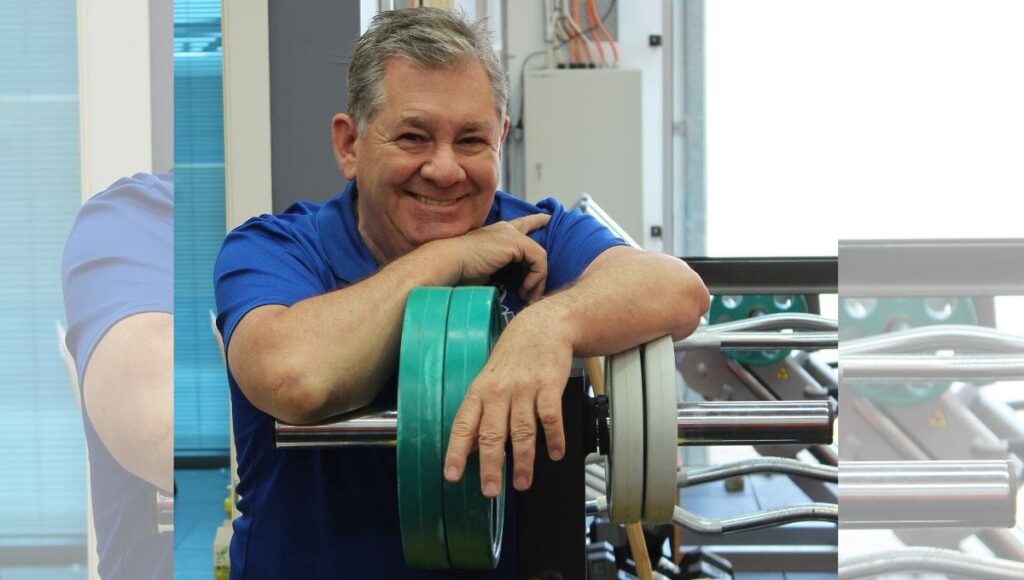 Source: Ireshapeu on Pixabay
Use Active Recovery Techniques
Foam rolling, stretching, and low-intensity cardio can alleviate muscle soreness and enhance blood flow, promoting recovery. Research indicates that active recovery can reduce muscle stiffness and improve performance in subsequent sessions (Cheung et al., 2003).
Avoiding Common Mistakes
Skipping Warm-Ups
Skipping warm-ups increases the risk of injury, particularly for older athletes. Dynamic warm-ups, such as arm circles and light push-ups, prepare the muscles and joints for heavier loads, improving performance and reducing injury risk (Fradkin et al., 2006).
Neglecting Mobility Work
Poor shoulder mobility can hinder chest training progress and lead to injury. Regularly incorporating mobility drills, such as band pull-aparts or scapular wall slides, ensures proper range of motion, allowing for better chest activation (Page, 2011).
Ignoring Pain Signals
Pushing through pain can exacerbate injuries. If discomfort arises during an exercise, adjust the movement or seek guidance from a fitness professional. Pain is your body’s signal to modify or rest.
Sample Chest Training Routine for Men Over 30
Day 1 – Strength Focus
- Incline Dumbbell Bench Press: 4 sets of 6-8 reps
- Flat Dumbbell Bench Press: 3 sets of 8-10 reps
- Cable Flyes: 3 sets of 12-15 reps
- Push-Ups with Chains: 3 sets to failure
Day 2 – Hypertrophy and Functional Focus
- Flat Barbell Bench Press: 4 sets of 10-12 reps
- Single-Arm Dumbbell Press: 3 sets of 8-10 reps per arm
- Pec Deck Machine: 3 sets of 12-15 reps
- Medicine Ball Chest Throws: 3 sets of 10 throws
Conclusion
For men over 30, building a strong, muscular chest requires a strategic approach that prioritises joint health, recovery, and smart programming. By incorporating joint-friendly exercises, managing training volume and intensity, and focusing on recovery, men can maximise chest development while avoiding injuries. Consistency and intelligent training are the keys to long-term success.
Key Takeaways
| Tip | Explanation |
|---|---|
| Prioritise joint-friendly exercises | Reduce stress on joints with dumbbells and machines. |
| Use moderate loads with controlled tempo | Focus on hypertrophy with 60-80% 1RM and controlled lifting speed. |
| Incorporate unilateral movements | Balance strength and improve coordination with single-arm exercises. |
| Train 10-20 sets per week | Ensure optimal volume for muscle growth while allowing recovery. |
| Prioritise recovery | Get 7-9 hours of sleep and consume 1.6-2.2g/kg protein daily for optimal repair. |
| Warm up and work on mobility | Reduce injury risk and improve performance with dynamic warm-ups and mobility drills. |
Bibliography
Behm, D.G. et al., 2002. Muscle activation during strength training exercises and sports activities. Sports Biomechanics, 1(2), pp. 151-159.
Cheung, K. et al., 2003. Delayed onset muscle soreness: treatment strategies and performance factors. Sports Medicine, 33(2), pp. 145-164.
Deutchman, M. et al., 2019. Effects of dumbbell bench press variations on shoulder health. Journal of Strength and Conditioning Research, 33(5), pp. 1356-1362.
Escamilla, R.F. et al., 2009. Effects of technique variations on knee biomechanics during the squat and leg press. Medicine and Science in Sports and Exercise, 33(9), pp. 1552-1566.
Fradkin, A.J. et al., 2006. Effects of warming-up on physical performance. British Journal of Sports Medicine, 40(6), pp. 525-531.
Gentil, P. et al., 2015. Comparison of muscle activation between bench press and pec deck exercises. European Journal of Applied Physiology, 115(5), pp. 1085-1091.
Handelsman, D.J. et al., 2015. Testosterone and ageing: what have we learned since the Institute of Medicine report. Journal of Clinical Endocrinology & Metabolism, 100(3), pp. 842-852.
Leproult, R. & Van Cauter, E., 2011. Effects of sleep loss on neuroendocrine and metabolic function. Hormone Research in Paediatrics, 74(1), pp. 7-11.
Page, P., 2011. Shoulder muscle imbalance and subacromial impingement syndrome in overhead athletes. International Journal of Sports Physical Therapy, 6(1), pp. 51-58.
Phillips, S.M. & Van Loon, L.J.C., 2011. Dietary protein for athletes: from requirements to optimal adaptation. Journal of Sports Sciences, 29(sup1), pp. S29-S38.
Schoenfeld, B.J. et al., 2016. Effects of different resistance training volumes on muscle strength and hypertrophy. Journal of Strength and Conditioning Research, 30(7), pp. 1805-1812.
Trebs, A.A. et al., 2010. Electromyographic analysis of muscle activation during incline and flat bench press. Journal of Strength and Conditioning Research, 24(8), pp. 2163-2171.


