


President Donald Trump declared the United States will “run” Venezuela until a safe transition occurs, seizing control of its oil industry to reclaim what he claims was stolen American property — triggering immediate global condemnation and legal uncertainty.
Trump’s Bold Declaration: U.S. to Run Venezuela Until Transition
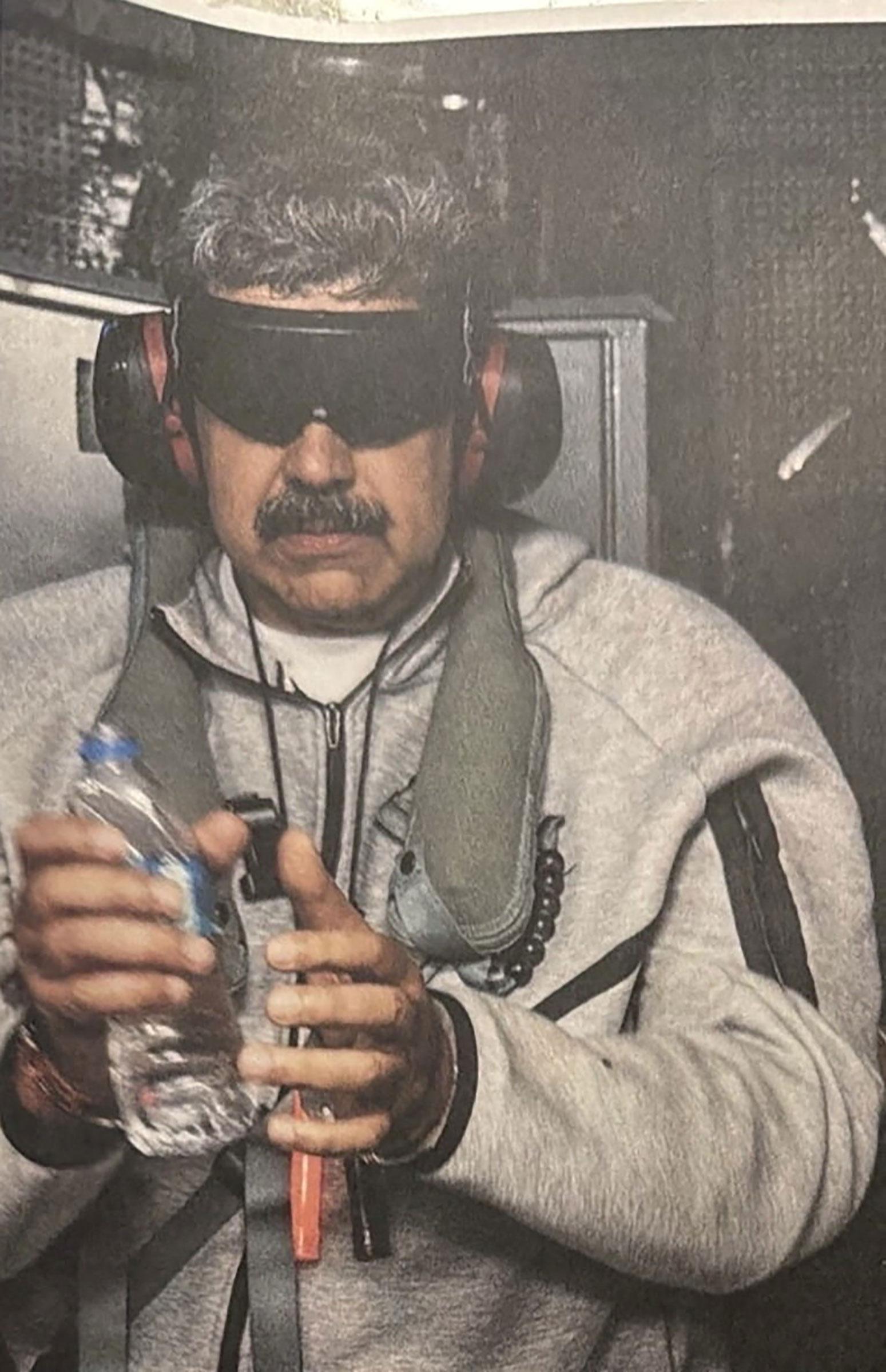
In a dramatic press conference at Mar-a-Lago on January 3, 2026, President Donald Trump announced that the United States would assume direct governance of Venezuela until a “safe, proper and judicious transition” could be achieved. This declaration follows an extraordinary military operation that resulted in the capture of Venezuelan President Nicolas Maduro by U.S. special forces.
“We’re going to run the country until such time as we can do a safe, proper and judicious transition,” Trump stated, adding that the U.S. would not allow another foreign power to seize control. The president framed this intervention as necessary to prevent Venezuela from falling into further chaos and to ensure stability through American leadership.
Oil Industry Seizure: A Claim of Stolen American Wealth
Trump further asserted that the U.S. would deploy its largest oil companies to overhaul Venezuela’s infrastructure and generate revenue for the nation. He claimed Venezuela’s oil industry — which he said was built with American talent, drive, and skill — had been looted by socialist regimes during previous administrations.
“We built Venezuela’s oil industry with American talent, drive and skill, and the socialist regime stole it from us during those previous administrations,” Trump declared. “This constituted one of the largest thefts of American property in the history of our country.”
The administration’s plan involves massive investment — billions of dollars — to fix Venezuela’s crumbling oil infrastructure. Trump portrayed this as both a humanitarian and economic imperative, arguing that the U.S. must act to restore order and prosperity.
Historical Precedent: The Panama Invasion of 1989
The operation represents the largest U.S. military intervention in Latin America since the 1989 invasion of Panama, when then-U.S. President George H.W. Bush led a mission to capture Manuel Antonio Noriega. That action, like today’s, involved the removal of a foreign leader and subsequent U.S. oversight of governance.
Maduro, who had been indicted on corruption and drug trafficking charges in New York since 2020, was apprehended after months of escalating pressure from the Trump Administration. Attorney General Pam Bondi confirmed Maduro and his wife, Cilia Flores, were being transported aboard a U.S. warship to face prosecution in American courts.
Global Reactions: Condemnation and Diplomatic Crisis
The international community reacted swiftly and overwhelmingly. The United Nations expressed deep alarm over the operation, warning it may violate international law. China and Russia issued strong condemnations, accusing the U.S. of violating Venezuela’s sovereignty.
Venezuela’s ambassador to the UN demanded an emergency Security Council meeting, asserting the country’s inherent right to self-defense. European leaders urged restraint and called for clarification of the U.S. objectives.
Trump dismissed criticism from Democratic lawmakers who argued the strike was unconstitutional, calling them “weak” and defending the operation as essential to stopping drug trafficking and reclaiming American assets.
Legal Ambiguity and Congressional Silence
The legality of the operation remains murky. While U.S. officials acknowledged a helicopter was struck during the raid and several service members were injured, Trump insisted no casualties occurred among American forces. The Pentagon referred all inquiries to the White House, which directed media to Trump’s post on Truth Social.
Notably, there is no public record of congressional consultation prior to the operation — raising serious questions about whether the U.S. adhered to constitutional norms governing military interventions abroad.
Political Fallout and Domestic Division
Trump’s speech veered into domestic politics, diverting attention to governors who he accused of failing to support his deployment of the National Guard to American cities. He also attacked former presidents, framing their policies as responsible for Venezuela’s current instability.
Meanwhile, Venezuela’s vice president, Delcy Rodríguez, was reportedly sworn in as interim leader and spoke with Secretary of State Marco Rubio. Trump described her as “willing to do what we think is necessary,” though opposition figures disputed the legitimacy of this transition.
Why It Matters: A New Era of American Interventionism
This episode marks a pivotal moment in U.S. foreign policy. By declaring intent to govern another nation until a transition occurs, Trump has redefined American interventionism — moving beyond traditional containment or regime change toward outright administrative control.
It also signals a broader strategy under Trump to leverage military force and unilateral action to achieve geopolitical goals — particularly in resource-rich regions where U.S. interests are perceived to be threatened.
The long-term implications are profound. If the U.S. proceeds with its plan, it risks escalating tensions with major powers and setting a dangerous precedent for future interventions. The world watches closely as the consequences unfold — not just for Venezuela, but for the global balance of power.
What’s Next?
As Maduro faces potential prosecution in New York, the U.S. will likely begin implementing its plan to rebuild Venezuela’s oil sector. Whether this effort succeeds or triggers further unrest remains to be seen.
Meanwhile, global allies are preparing diplomatic countermeasures, while Venezuela’s government vows to resist any external imposition of authority.
Onlytrustedinfo.com will continue to monitor developments as they unfold — providing authoritative analysis and context to help readers understand the full scope of this historic event.
Stay informed. Stay trusted.
Read more articles on onlytrustedinfo.com — your source for fast, authoritative news analysis.


