


Ai Weiwei’s unannounced December homecoming—his first since Beijing confiscated his passport in 2011—lasted 21 days, passed without incident, and may reveal more about China’s calculus on soft power than any press release ever could.
The 81-Day Detention That Sparked a Decade Abroad
In April 2011 plain-clothes officers led Ai Weiwei from Beijing’s airport terminal to a van, beginning 81 days of secret detention for alleged tax evasion. Upon release, authorities retained his passport, effectively grounding a man who had become China’s most recognizable artistic provocateur. Four years later officials quietly returned the document; Ai flew straight to Berlin and never looked back—until December 2025.
Why He Risked It Now
Three forces converged. First, his son—born outside China—turned 17, easing the parental duty that once kept Ai cautious. Second, years of high-profile exile works on refugees, Hong Kong protests and Covid-19 gave him a global audience less dependent on Beijing’s approval. Third, China’s own priorities shifted: detaining a world-famous artist weeks before Lunar New Year offers scant domestic upside and guarantees diplomatic headaches.
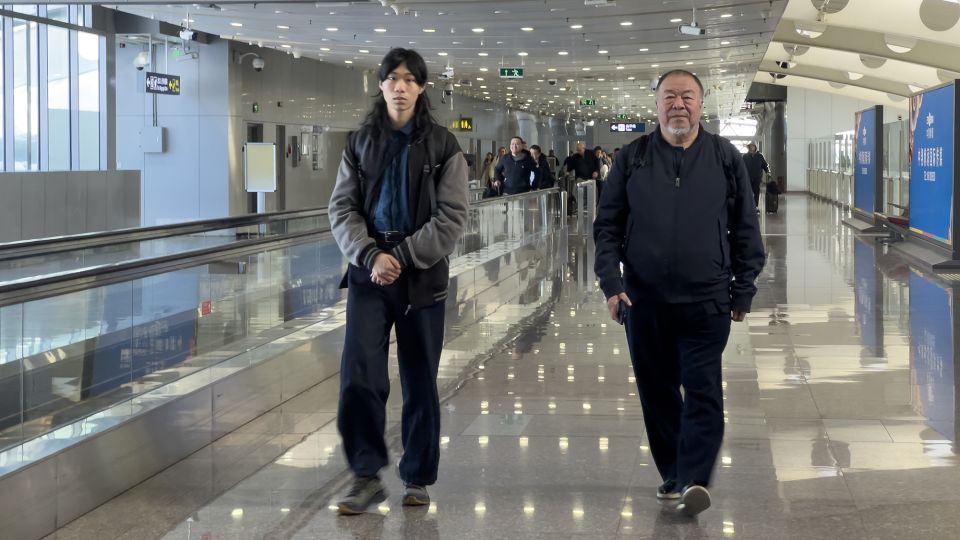
Inside the 21-Day Visit
- Airport grilling: Two-hour inspection, questions limited to itinerary basics.
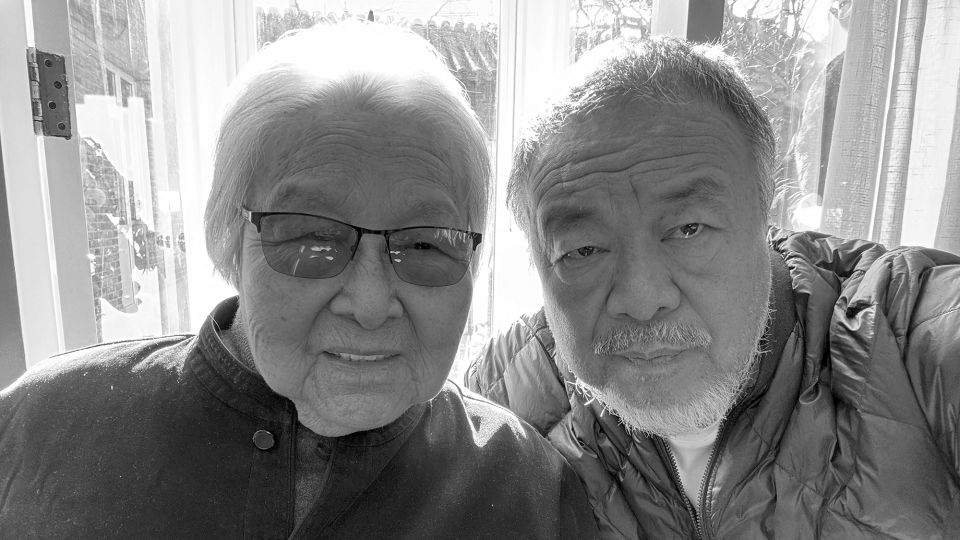
- Family first: Immediate reunion with his 93-year-old mother; “they held hands the entire time,” Ai said.
- Old haunts: Shots of Beijing winter smog, gym workouts, and hot-pot dinners posted wordlessly to Instagram.
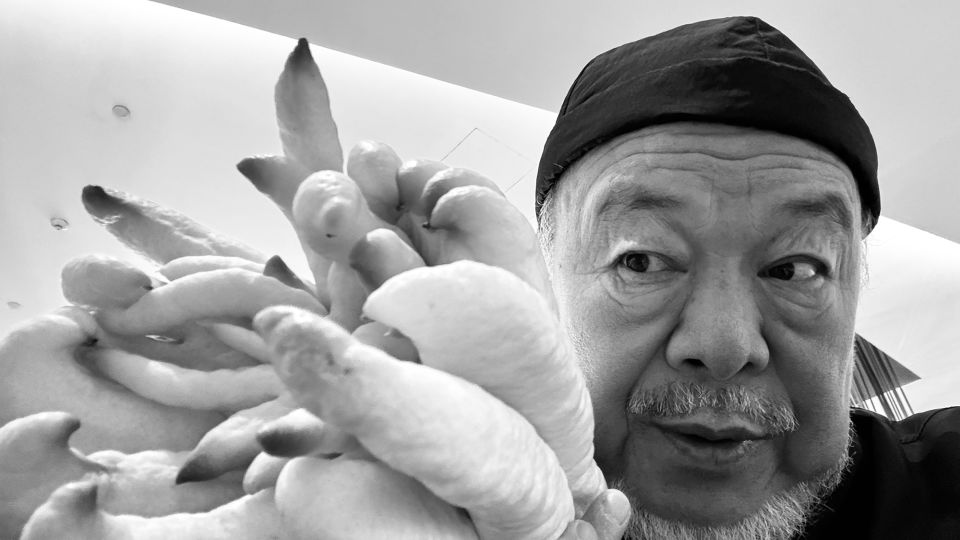
- Ancestral roots: Side trip to Jinhua, Zhejiang, posing with the fragrant “Buddha’s Hand” citrus tree outside the family home.
What Beijing Gains From a Quiet Welcome
Allowing the trip projects procedural normalcy while avoiding the optics of a public crackdown. Censors have already scrubbed Ai’s Mandarin name from most social platforms; for younger Chinese he is a non-entity, neutralizing the domestic “martyr effect” Beijing fears. Internationally, a smooth visit undercuts accusations of capricious border bans just as China courts European investment.
Art That Outlived the Ban
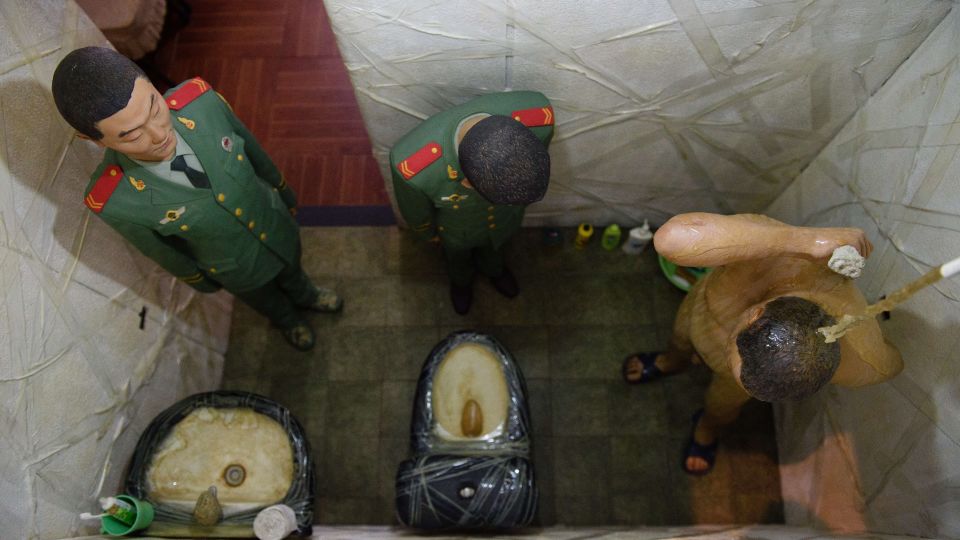
Even in absentia, Ai’s work kept needling the party. “Remembering” (2009) covered Munich’s façade with 9,000 children’s backpacks memorializing students who died in the 2008 Sichuan earthquake; “S.A.C.R.E.D.”—six fiberglass dioramas of his 2011 incarceration—debuted at the 2013 Venice Biennale. Far from diluting his edge, exile broadened his lens to refugees, Ukraine and AI-driven surveillance, turning the artist from national irritant into global conscience.
The Fine Print: Red Lines Haven’t Moved
While Ai wandered freely, fellow artist Gao Zhen flew home in June 2024 and was detained within a week over decade-old Mao sculptures. The difference: Gao lacked Ai’s global name recognition and coordinated press strategy. Beijing’s tolerance remains transactional, not philosophical.
What Happens Next
Ai insists he has “never truly left anywhere,” but he departed China again before New Year, destination Portugal. The visit answered one question—whether Beijing would slam the door—while leaving another wide open: can an artist who built a career on confrontation exist inside the system he still critiques? For now, the passport stays in his pocket, and the world watches to see which side of the airport glass he’ll stand on next.
Stay ahead of every major development—read the fastest, most authoritative breaking news analysis every day on onlytrustedinfo.com.


