


Forget everything you thought you knew about building a championship team. Miami’s pursuit of Darian Mensah is the ultimate signal: the new kingmakers in college football aren’t the best recruiters, but the most aggressive raiders, plugging proven stars into the game’s most important position and winning now.
Remember that old college football mantra? Always be crootin’. That’s overdue for a refresh. The new, unspoken directive for programs with the resources and ambition to win big is simple: Always be raidin’.
This isn’t about outworking the competition anymore. It’s about out-plundering them. And when you’re targeting the most important position on the field, you don’t go cheap. You make the buy.
Perhaps no organization has better deployed this new playbook the past few years than the Miami Hurricanes. Under head coach Mario Cristobal, their quarterback strategy is ruthlessly efficient: Work smarter, not harder, and do it with a wad of cash in hand. Target a proven, high-impact quarterback who hits the transfer portal and make the move.
Don’t fret if that quarterback is only going to be in town for one season. Reap the rewards. Then, do it again with another transfer. The old model of signing a prospect, investing years in his development, and hoping he becomes a star is a relic. Miami is going all-in on the new school approach: let some other program handle the developmental risk, then plunder the finished product.
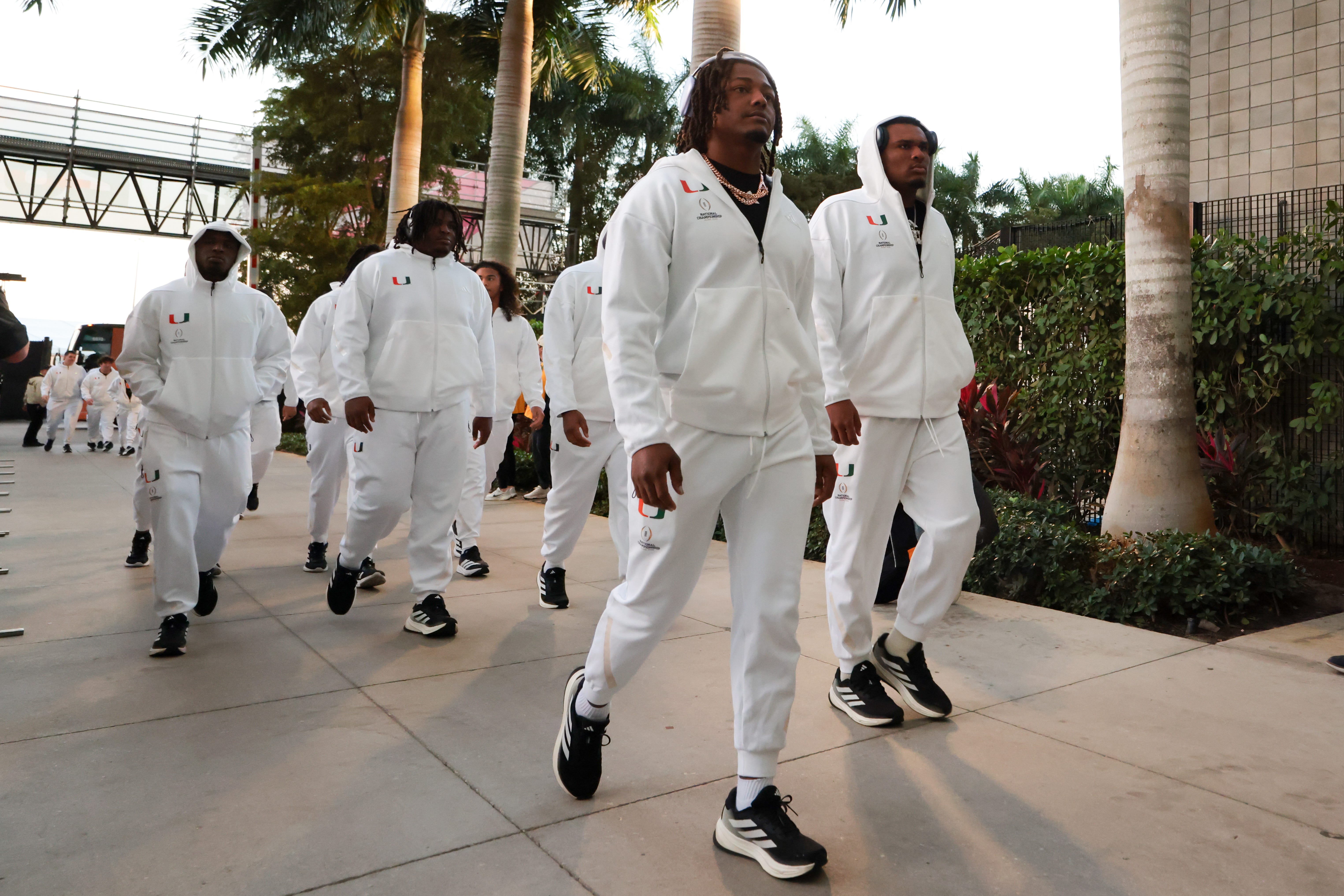
In 2024, that strategy meant winning 10 games with Cam Ward, fresh off the transfer line from Washington State. Ward, a Heisman finalist, went to the Titans with the No. 1 pick in last year’s NFL draft. Consider that a textbook transfer buy for Miami.
Last season, Miami doubled down, spending big for Carson Beck‘s services. The Hurricanes reached the national championship game. That counts as another successful transfer buy, proving the model’s effectiveness on the sport’s biggest stage.
Now, the cycle continues with Darian Mensah, come on down from Duke. Mensah, who had previously announced his return to Duke, changed course, leading the program to file a lawsuit alleging a breach of his multiyear NIL contract. Such is the reality of college football in 2026, where nothing is final until the lawyers get involved. Mensah reached a settlement with Duke, clearing the way for his departure. And as has become the pattern, all roads lead to Miami.
The Epitome of the Modern Quarterback
Mensah is the perfect embodiment of this new era. He started his career at Tulane, transferred to Duke, navigated a high-stakes legal battle, and now, is poised to vamoose to Miami. Put him on a Wheaties box. He’s a walking, talking case study for the modern transfer portal.
Miami had interest in Arizona State transfer Sam Leavitt. He chose LSU. Leavitt and Lane Kiffin make for an intriguing pairing, but Miami fans will boast they wound up with a better quarterback in Mensah. They might be right, too.
This isn’t “Wolf of Wall Street” pink sheet activity. When seeking a quarterback, Cristobal doesn’t scour the portal for long shots he’s hoping will rebound. Miami seeks proven star power at the game’s most crucial position. Mensah fits the mold perfectly. He helped Duke win the ACC this past season and led the conference in passing, a resume that screams “plug-and-play.”
Why Miami’s ‘Raid-a-QB’ Strategy Works
I can’t argue with Miami’s strategy. The plug-and-play quarterback method seems smarter than spending a few years developing a blue-chip teenager and hoping he’ll not only stick around but develop into a player worthy of a yearslong investment.
Cristobal doesn’t go hog wild in the portal, not compared to some peers. Miami’s transfer class is currently 10-deep, which is relatively modest. Cristobal strikes a healthy balance between high school recruits and transfers. His transfer classes are rich in quality, no matter the quantity. Mensah and the expected transfer of Duke wide receiver Cooper Barkate fit that strategy perfectly.
Cristobal seeks production, not projects. He doesn’t take chances at quarterback. Why should he? The last two national champions started one-year solutions as transfer quarterbacks. Find an answer from the portal. Rinse, repeat.
Always be raidin’. Do that at every position, and you’re playing whack-a-mole. At quarterback, though, you’re hunting for one guy. The portal is the play—particularly if you possess Miami’s funds to purchase a good one.
Miami once earned a reputation as Quarterback U. Its string of greats included Jim Kelly, Bernie Kosar, Vinny Testaverde, Steve Walsh, Gino Torretta, and, years later, Ken Dorsey. Those quarterbacks were the payoff of an “always be crootin'” (and developing) era. Transfer rules changed. Methods evolved. Miami’s raid-a-QB model works—especially when able to secure transfers of the quality of Ward, Beck, and now Mensah.
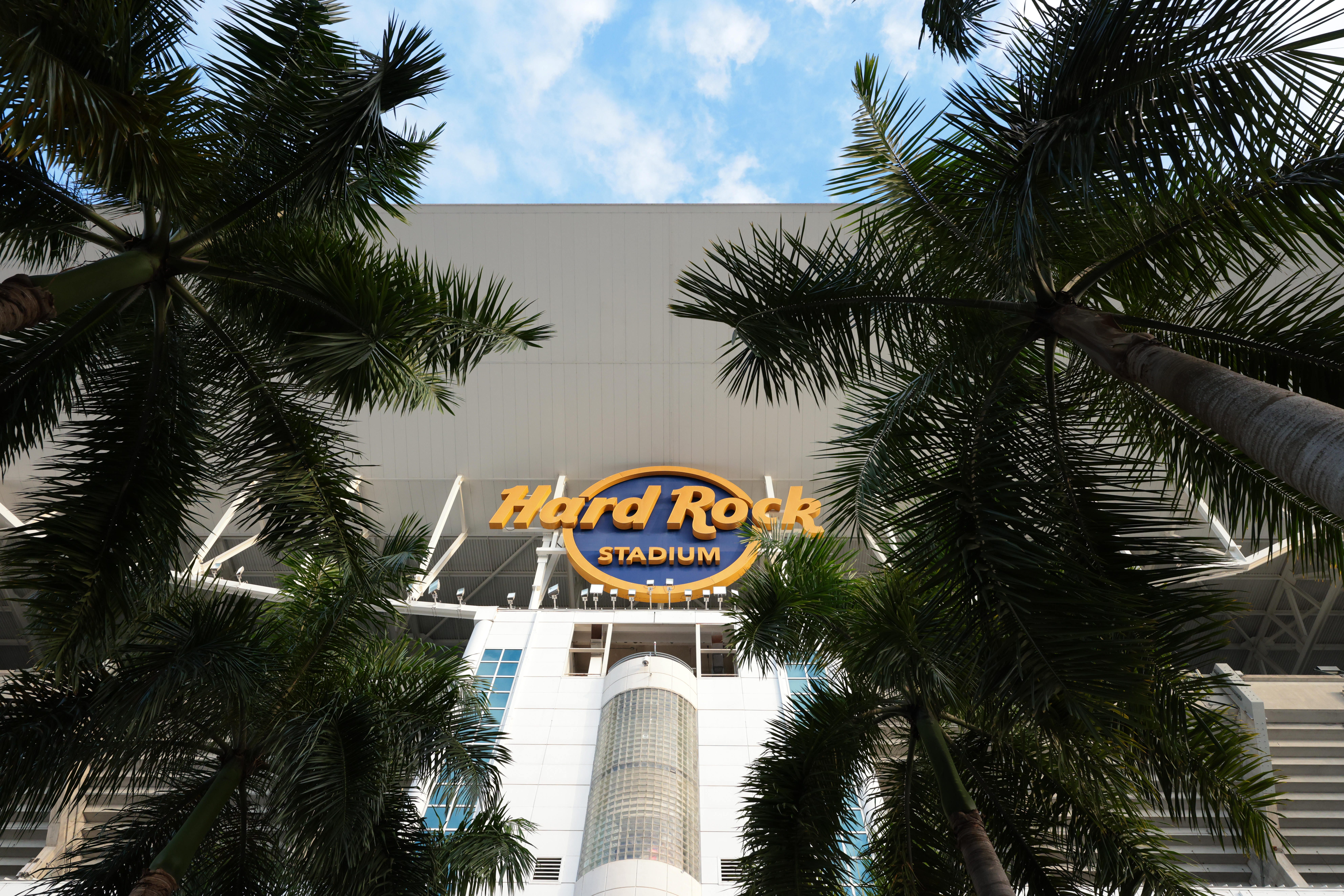
This strategy isn’t unique to Miami. Indiana’s kingpin, Curt Cignetti, has employed a similar quarterback carousel, with his signal-callers progressing from Kurtis Rourke (Ohio transfer) to Fernando Mendoza (California transfer) to now Josh Hoover (TCU transfer).
Here’s another old football cliché you’ve probably heard: If you’ve got a quarterback, you’ve got a chance. But in this new world, that doesn’t mean a team should take a chance at quarterback. It means identifying a proven commodity and paying for his services to win now.
- Step 1: Target a proven commodity.
- Step 2: Pay the man.
- Step 3: Win.
- Step 4: Repeat.
For Miami, that plan renews with Darian Mensah. Consider it another successful raid in a new era of college football where the spoils go to the bold.
For the fastest, most authoritative analysis of all breaking sports news, keep it locked here on onlytrustedinfo.com. We don’t just report the news; we break down why it matters, giving you the edge in every conversation.


