


Olivia Nuzzi’s forthcoming book pulls back the curtain on her alleged relationship with RFK Jr., unearthing a web of messages, broken trust, and the deep repercussions for political journalism—while reigniting debate over power, privacy, and public figures.
The Affair That Rocked the Political Press: The Story So Far
In late 2024, the media world was stunned as respected political journalist Olivia Nuzzi lost her position at New York magazine after admitting to an alleged romantic relationship with Robert F. Kennedy Jr.—the independent presidential candidate and storied member of America’s most famous political dynasty. This wasn’t merely a workplace scandal; it blurred the historically rigid lines between journalist and subject, triggering debates across newsrooms and social channels alike.
Now, with the impending release of her highly anticipated book, American Canto (due December 2), Nuzzi is offering her perspective in full, promising new details and personal revelations that cast sharp light on a previously opaque saga [People].
Inside the Book: Poems, Promises, and Private Messages
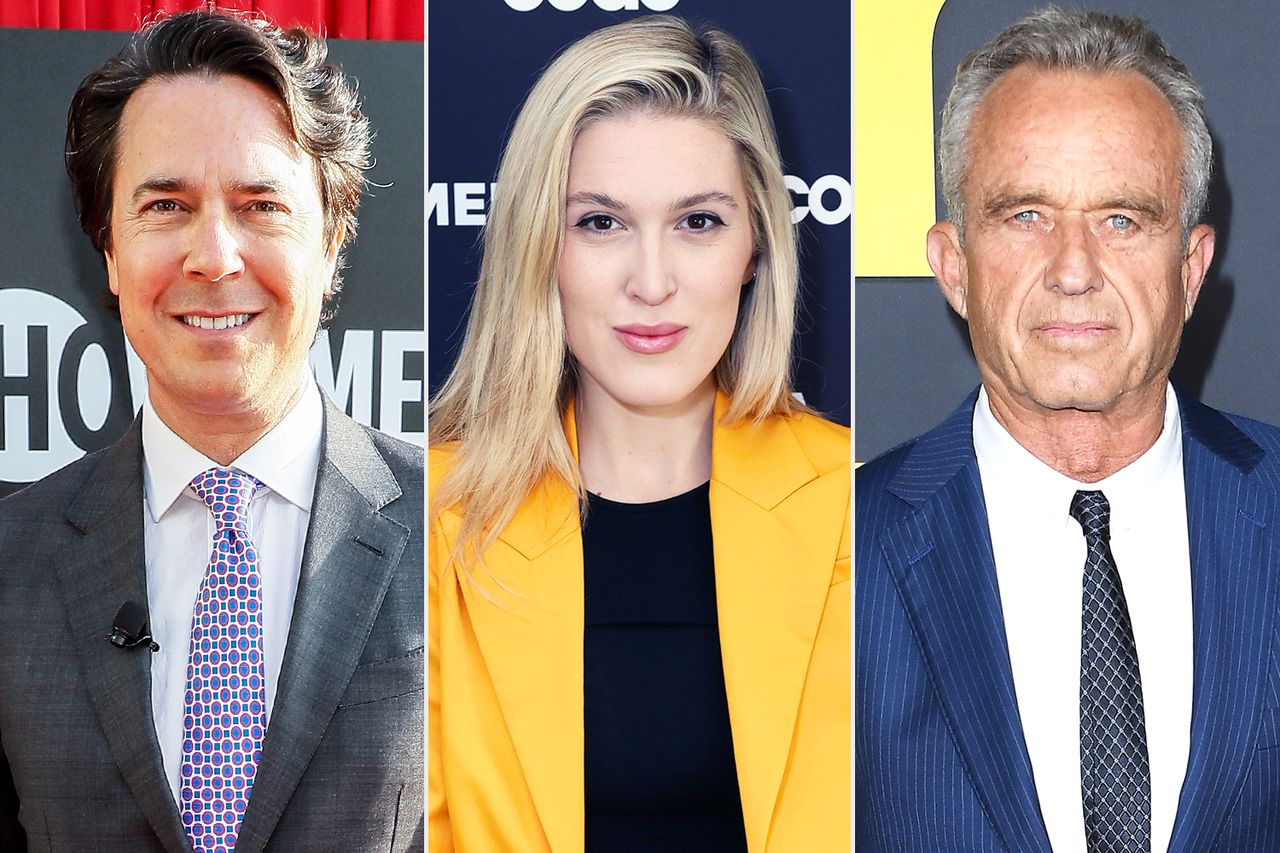
Nuzzi’s detailed account, previewed in The New York Times ahead of publication, paints a vivid picture of her alleged digital relationship with RFK Jr.. According to the advance excerpts, their connection reportedly deepened after she interviewed him for a landmark profile in November 2023 [The New York Times].
- RFK Jr. allegedly declared “I love you” first, bestowed her with the nickname “Livvy,” and sent her love poems.
- He reportedly promised to “take a bullet” for her, while expressing an unusual level of warmth and vulnerability for a high-profile political figure.
- The book suggests that, though the two discussed intimacy and even starting a family, the relationship was never physically consummated—a detail certain to be scrutinized by both journalists and fans.
Nuzzi’s passages describe an emotional closeness: the selection of favorite “parts” of each other (his nose, her mouth), and an almost intellectual fusion as they discussed beauty, values, and skepticism. She claims the affair offered her, for a moment, an escape from the isolation of political reporting, exposing her to the swirl of charisma and controversy surrounding the Kennedy mystique.
The Scandal Spreads: Professional Fallout and Personal Pain
Complicating the narrative is the timing: RFK Jr. was married to acclaimed actress Cheryl Hines throughout the period, while Nuzzi herself was engaged to high-profile journalist Ryan Lizza. The revelation of their alleged relationship (and its online paper trail) coincided with rapid professional and personal unraveling. Nuzzi’s engagement dissolved, leading her to file, and later drop, a protective order against Lizza, alleging digital intrusion and blackmail [People]. Lizza denied the accusations, escalating the intensity of this tabloid-ready drama.
Nuzzi’s sudden departure from New York magazine in October 2024—just weeks after the scandal surfaced—was met with public fascination and speculation. She quickly resurfaced as West Coast editor at Vanity Fair, a platform uniquely suited to her blend of political and celebrity reporting.
Disputed Claims and Public Denials: The Ongoing War of Words
The claims in American Canto are already being rigorously challenged by the other key players. While Nuzzi asserts an emotional narrative of forbidden romance, RFK Jr. has consistently denied any significant relationship, maintaining the two met only once for a magazine interview [People]. To date, no independent evidence has surfaced to support or refute either version. For her part, Nuzzi told the Times she hasn’t been in contact with Kennedy for a year, and sources say she now regrets much of the attention the episode has drawn.
Why This Matters: Power, Consent, and the Nature of Modern Scandal
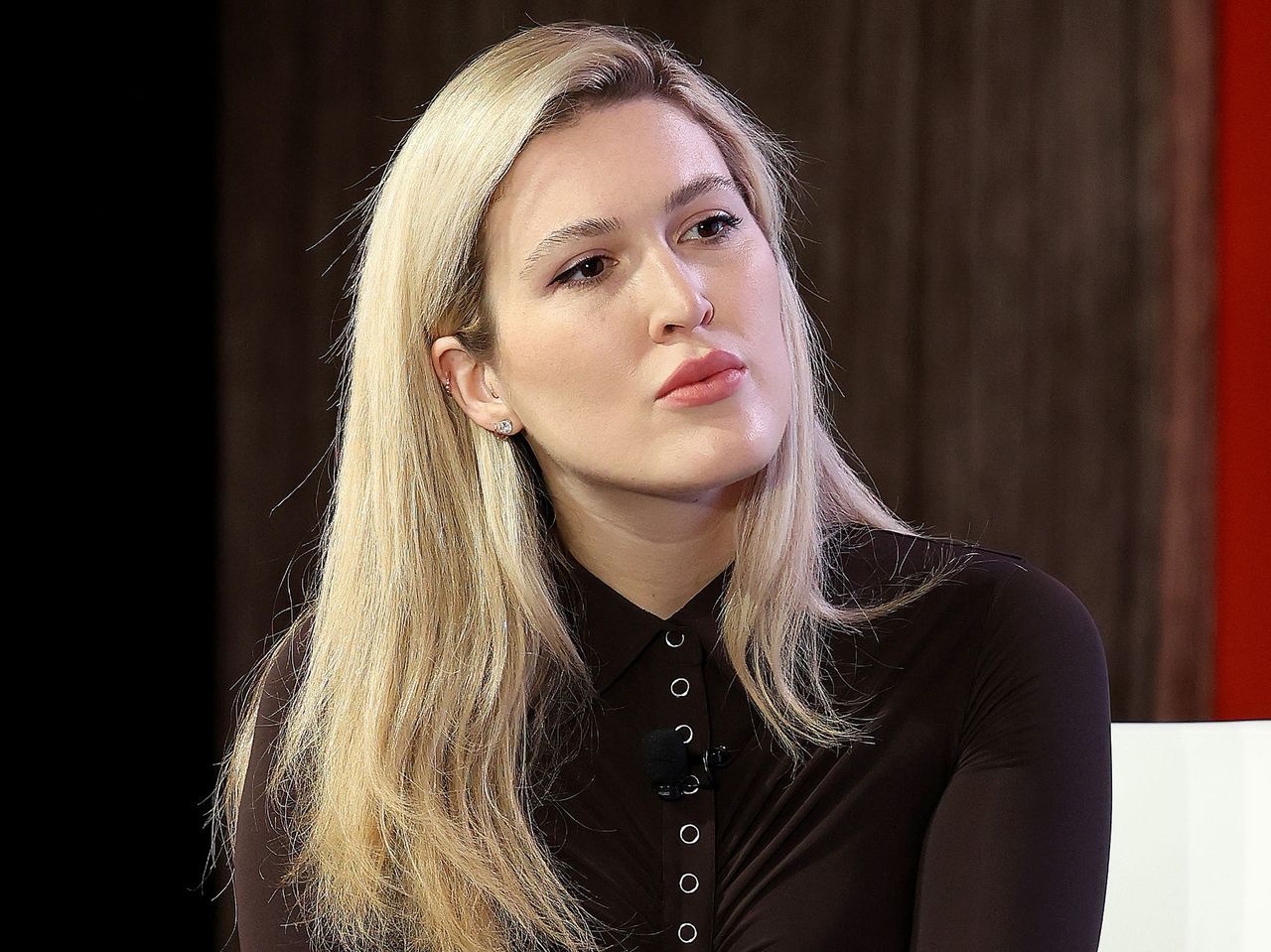
This story isn’t just about two high-profile individuals crossing personal boundaries. It’s a cautionary tale for a digital age where private messages can become front-page news, reputations are rewritten overnight, and the boundary between journalism and politics grows dangerously thin. The Nuzzi-Kennedy affair has amplified debates about reporter ethics, abuse of power, and the weaponization of personal struggles for public consumption.
- Trust and Truth-Telling: Audiences, especially fans of political reporting, are reckoning with the costs of intimacy between reporters and sources. Can powerful narratives ever truly escape bias?
- Fan Reactions: Among Nuzzi’s devoted readers and Kennedy opponents, reactions have ranged from sympathy to outrage. The drama has become a lightning rod for online debate.
- Professional Consequences: Nuzzi’s journey—from media exile to memoirist and back into the heart of celebrity reporting—stands as a symbol of journalism’s capacity for both self-destruction and reinvention.
What Comes Next? A New Chapter for Nuzzi, Kennedy, and Political Journalism
As American Canto nears release, attention is poised to spike again—especially among the communities who followed every twist of the sexting scandal. Will readers embrace Nuzzi’s confessions as catharsis and truth, or challenging works of creative self-defense?
The story of Nuzzi, Kennedy, and the digital-age scandal is still being written—both in the pages of her memoir and in the court of public opinion. What’s undeniable is the enduring fascination this affair holds for a media culture that’s both more transparent and more hungry for sensation than ever before.
For more high-impact, insider Hollywood and political scandal analysis delivered first, keep reading onlytrustedinfo.com—the home of trusted, no-spin breaking news reporting.

