


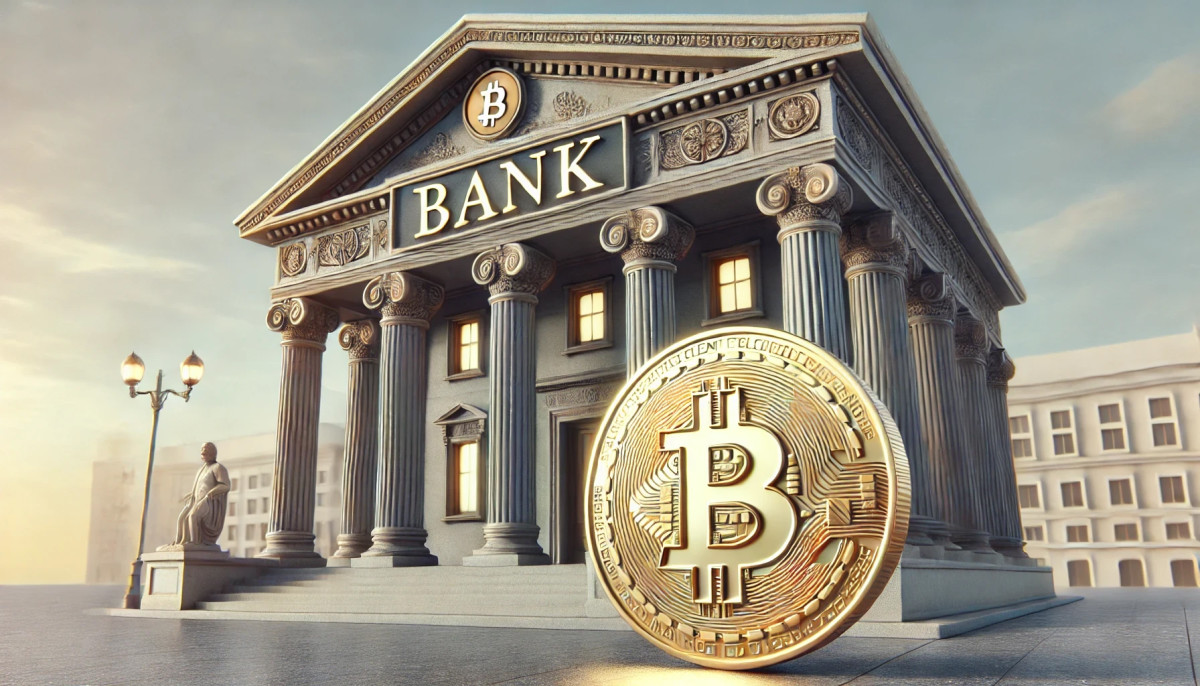
In the rapidly evolving world of Bitcoin adoption, few regulatory shifts carry the magnitude of SAB 121’s recent rescission. According to prominent Bitcoin advocate and investor Preston Pysh, this development is a watershed moment that could have more far-reaching implications than even the much-debated concept of a Strategic Bitcoin Reserve.
My thoughts on the two biggest things that happened last week w/ Bitcoin.
SAB121 and the in-kind redemption request to the SEC pic.twitter.com/XyHDiNcOvH
— Preston Pysh (@PrestonPysh) January 27, 2025
Who is Preston Pysh?
Preston Pysh is a General Partner at Ego Death Capital, a Bitcoin-focused investment firm. Known for his expertise in finance, macroeconomics, and Bitcoin, Pysh is also the founder of The Investor’s Podcast Network. With his deep understanding of traditional financial systems and Bitcoin’s transformative potential, Pysh is a leading voice in the Bitcoin community.
What Was SAB 121?
SAB 121 (Staff Accounting Bulletin 121), introduced during Gary Gensler’s tenure at the SEC, imposed significant restrictions on financial institutions looking to custody Bitcoin. Under its guidelines, banks had to classify Bitcoin custody as a liability on their balance sheets. For every dollar’s worth of Bitcoin they held, they were required to offset it with an equivalent amount of capital—typically in treasuries or other assets.
The result? Institutional Bitcoin custody became economically prohibitive. Banks, wary of the capital-intensive requirements, opted out of offering Bitcoin-related services entirely.
However, the rescission of SAB 121 changes the game. Bitcoin custody is now treated as an asset, not a liability, dramatically lowering barriers for major banks like JPMorgan and others to enter the Bitcoin ecosystem. As Pysh notes, “All the major banking institutions are now wanting to take this on. There could be loan products, all sorts of things that can pop out of this.”
Related: Why Hundreds of Companies Will Buy Bitcoin in 2025
A New Era for Institutional Bitcoin Custody
Preston Pysh emphasizes that this regulatory shift could entrench Bitcoin as a cornerstone of global financial infrastructure. The implications are profound:
- Broader Institutional Adoption: Banks can now custody Bitcoin without facing onerous balance sheet requirements. This paves the way for loan products, derivatives, and a host of other financial instruments tied to Bitcoin.
- Enhanced Legitimacy: The willingness of major banks to custody Bitcoin signals a growing recognition of its role as a global settlement layer, further cementing its place in the financial system.
- A Durable Framework: Unlike a Strategic Bitcoin Reserve, which could be subject to political whims and administrative changes, the rescission of SAB 121 creates a structural shift. “This entrenches Bitcoin as a global settlement layer, in my humble opinion,” Pysh explains, underscoring its long-term impact.
Why the Strategic Bitcoin Reserve Falls Short
While the idea of a Strategic Bitcoin Reserve—where governments accumulate Bitcoin as part of their national reserves—has captured the imagination of the Bitcoin community, Pysh suggests it lacks the permanence of SAB 121’s impact. Reserves can be subject to the priorities of the administration in power. A pro-Bitcoin government might amass reserves, only for a subsequent administration to reverse course.
In contrast, institutional adoption driven by the rescission of SAB 121 creates a systemic entrenchment. Large-scale integration by private banks and financial institutions is harder to unwind and more likely to persist across political cycles.
Addressing the Risks
Pysh acknowledges concerns about the centralization of Bitcoin custody among large institutions. Sovereign influence over custodial banks could raise questions about Bitcoin’s decentralization and the potential for misuse. However, he also points to mechanisms like BlackRock’s application for in-kind redemptions in its Bitcoin ETF as a counterbalance to such risks. “If this in-kind redemption is honored by the SEC, which I really hope it will, and I suspect it will be,” Pysh explains, “it would really offset the concern of rehypothecation happening with the custodians.”
Related: Nasdaq Proposes In-Kind Redemptions for BlackRock’s Bitcoin ETF
Conclusion
The rescission of SAB 121 represents a monumental shift in Bitcoin’s journey toward mainstream adoption. By removing barriers for institutional custody, it paves the way for Bitcoin’s integration into the global financial system in a manner that is more enduring than government-led initiatives like a Strategic Bitcoin Reserve. As Preston Pysh, General Partner at Ego Death Capital, notes, this development entrenches Bitcoin as a global settlement layer and opens the door to a host of financial innovations.
The Bitcoin community must remain vigilant about the risks associated with institutional custody, but there’s no denying the bullish implications of this regulatory breakthrough. The next era of Bitcoin adoption has begun, and SAB 121’s rescission is leading the charge.

